

Meditation is basically a way to train your mind — just like exercise trains your body. But when you first start looking into it, you’ll quickly realize there isn’t just one way to meditate. There are many different techniques, and that can feel a little overwhelming in the beginning.
In Buddhist tradition, meditation isn’t seen as one single practice. It’s more like the word “sports.” Just like sports include football, swimming, and tennis, meditation includes many different methods. Each one works with the mind in a slightly different way and develops different mental skills.
For beginners, sitting still for a long time and trying to “empty your mind” can feel nearly impossible. And that’s completely normal. Your mind is designed to think. Some people use guided meditation videos or even wearable devices to help them stay focused when starting out. But honestly, one of the easiest and most effective ways to begin is by simply focusing on your breath. This is known as concentration meditation.
Concentration Meditation
Concentration meditation is exactly what it sounds like — you focus on one single thing. That “thing” could be your breath, a word or mantra you repeat quietly, the flame of a candle, the sound of a gong, or even counting beads on a mala.
Because staying focused is challenging at first, beginners usually start with just a few minutes. Over time, you can slowly increase the duration as your focus improves.
It’s simple: when your mind wanders (and it will), gently bring it back to your chosen focus. You’re not fighting your thoughts or getting frustrated with them. You just notice them and return to your focus. Little by little, this practice strengthens your ability to concentrate.
Mindfulness Meditation
Mindfulness meditation takes a slightly different approach. Instead of focusing on one object, you observe your thoughts as they come and go.
The goal isn’t to judge your thoughts or get caught up in them. You simply notice them. Think of it like watching clouds drift across the sky — you see them, but you don’t chase them.
As you think more and more, you may begin to notice patterns in your thinking. It’s amazing how quickly your mind labels experiences “good” or “bad,” “pleasant” or “unpleasant.” With regular practice, this awareness can lead to a more balanced and calm inner state.
Many meditation traditions actually combine concentration and mindfulness. Some practices emphasize stillness more than others, depending on the teacher and the method being taught.
Other Meditation Techniques
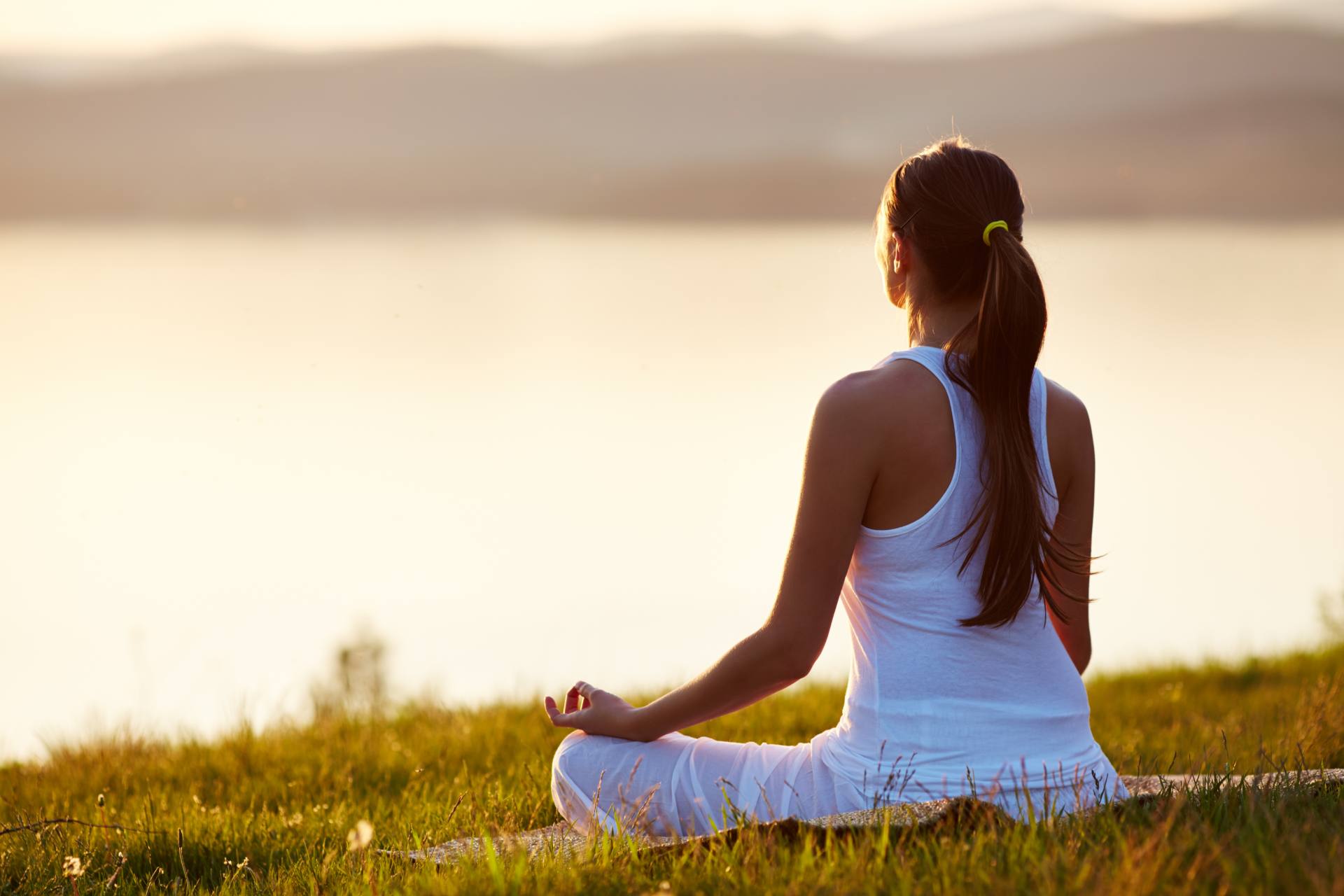
Meditation isn’t limited to sitting quietly with your eyes closed. There are many other approaches.
For example, some Buddhist practices focus on developing compassion. They envision difficult situations and intentionally respond to them with kindness and understanding. As a result, negative emotions are transformed into something more constructive.
There are also moving forms of meditation like tai chi, qigong, and walking meditation. These practices blend mindful awareness with gentle physical movement, making them a great option for people who struggle with sitting still.
Benefits of Meditation
Although relaxation isn’t technically the main goal of meditation, it often happens naturally as a result.
Research over the years has shown that meditation can activate what’s called the “relaxation response,” which helps calm the nervous system. Short-term benefits may include:
- Lower blood pressure
- Better blood circulation
- Reduced heart rate
- Slower breathing
- Less anxiety
- Lower stress hormone levels
- A greater sense of well-being
- Deeper relaxation
More recent research suggests that consistent meditation may also support long-term brain health and strengthen immune function.
Still, it’s important to remember something: meditation isn’t about chasing benefits. The real purpose is simply to be present. Not to achieve something. Not to “become” something. Just to experience the moment as it is.
In Buddhist philosophy, the ultimate aim of meditation is freeing the mind from attachment — especially attachment to things we can’t control. When the mind becomes less reactive to external events and strong emotions, a deep sense of calm and balance develops naturally.
How to Meditate: A Simple Practice for Beginners
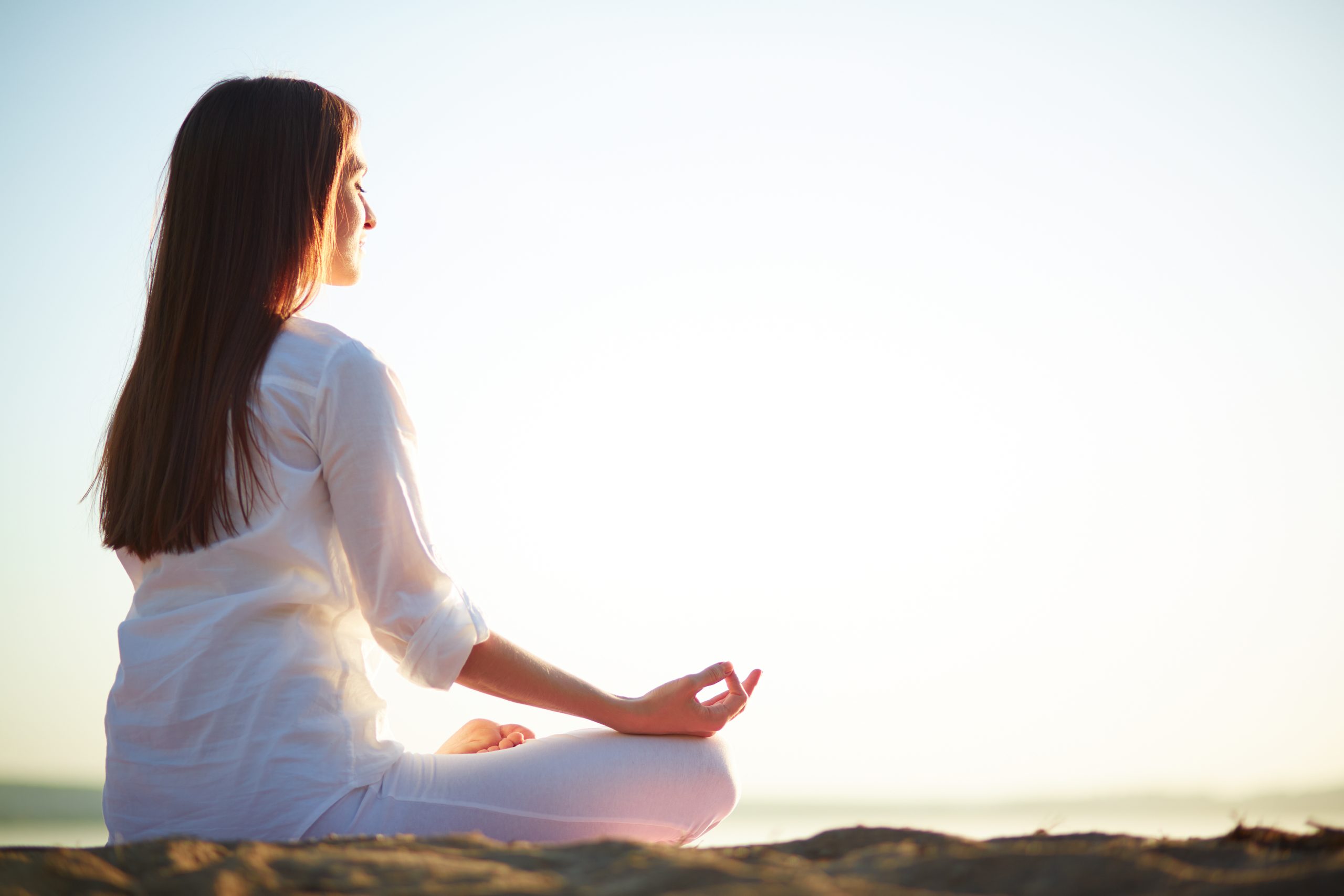
If you’re new to meditation, this short exercise is a perfect place to start:
- Sit or lie down in a comfortable position. You can use a cushion or chair if that helps you feel supported.
- Gently close your eyes.
- Don’t try to control your breathing. Just let it flow naturally.
- Bring your attention to your breath. Notice how your body moves as you inhale and exhale. Pay attention to your chest, shoulders, rib cage, and belly rising and falling.
- If your mind starts to wander, gently guide your focus back to your breath without judging yourself.
Start with just two or three minutes. As it begins to feel more comfortable, slowly increase the time.
Remember — meditation isn’t about perfection. It’s about practice. Even a few mindful minutes each day can make a meaningful difference.
Quick Answers to Your Questions
1. How long should a beginner meditate each day?
If you’re just starting out, keep it simple. Even 2 to 5 minutes a day is enough. The key is consistency, not duration. Once you feel comfortable, you can slowly increase your time to 10, 15, or even 20 minutes. It’s better to meditate for a few minutes every day than for a long time once in a while.
2. What if I can’t stop thinking during meditation?
This is one of the most common concerns — and the truth is, you’re not supposed to stop thinking completely. Thoughts will come. Meditation isn’t about having a blank mind. It’s about noticing when your mind wanders and gently bringing your attention back to your breath or focus point. That “coming back” is actually the practice.
3. Is it better to meditate in the morning or at night?
There’s no perfect time that works for everyone. Many people prefer meditating in the morning because it sets a calm tone for the day. Others like doing it at night to relax before sleep. The best time is simply the time you can stick to regularly.
4. Do I need special equipment to meditate?
Not at all. You don’t need fancy cushions, candles, or special clothing. All you really need is a quiet space and a few uninterrupted minutes. While some people enjoy using guided apps or meditation tools, they are optional — not required.
5. How long does it take to see results from meditation?
Some people feel calmer after just one session. For others, the changes are gradual. With regular practice over a few weeks, you may start noticing improved focus, reduced stress, and better emotional balance. Remember, meditation is more about building a habit than chasing quick results.