
People often talk about what we should take off our plates when they want to lose weight. But the best way to reach your health goals in a way that lasts and is fun is to think about what you can add. It’s not just about cutting calories when you choose the right foods. You also need to give your body the nutrients it needs to control hunger, keep your energy levels stable, and keep your metabolism going.
Foods that keep you full for longer are the “best” ones for losing weight. You can eat satisfying amounts of food while naturally eating fewer calories by focusing on whole, unprocessed foods.
1. The Strength of Protein: Your Metabolic Anchor
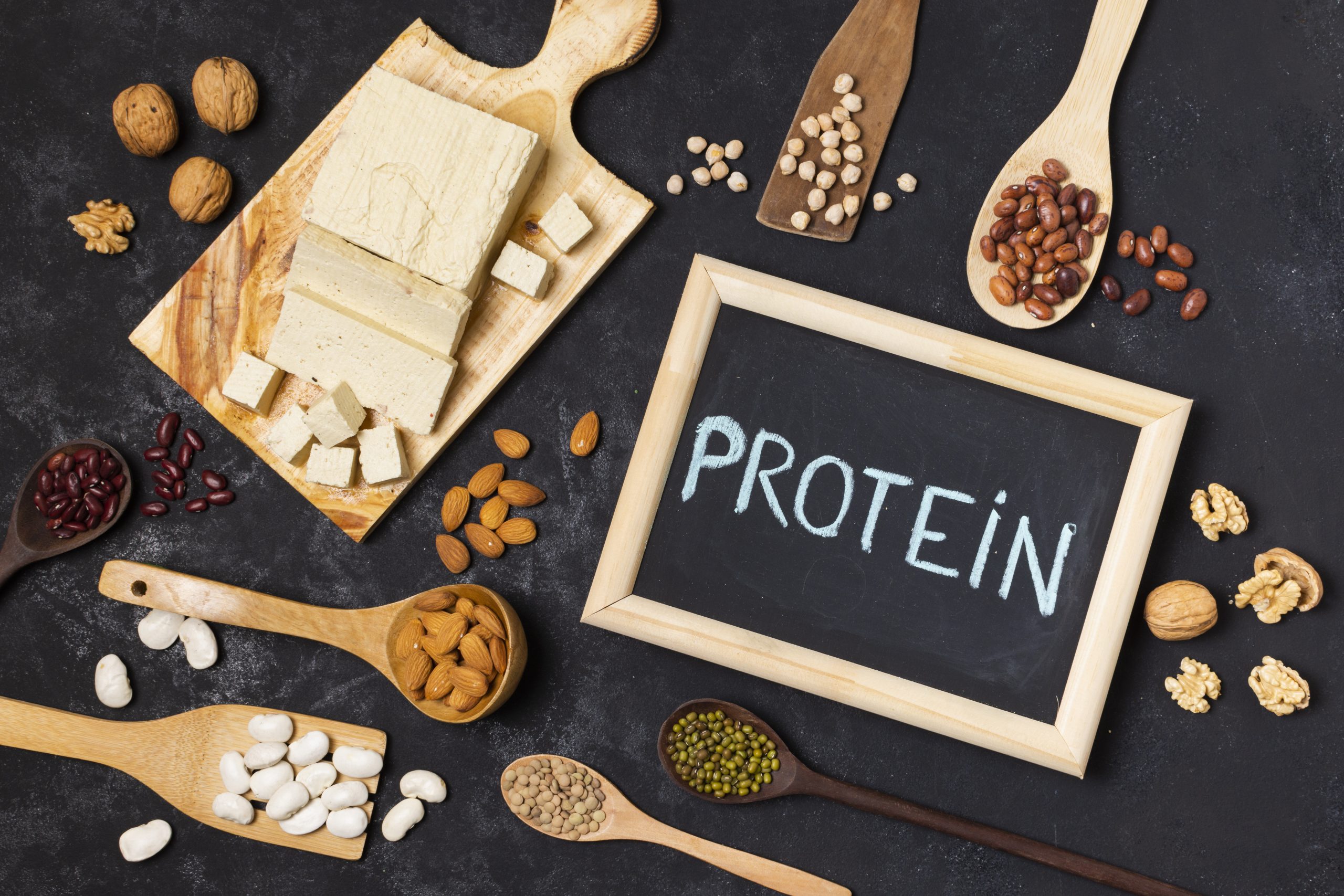
Protein is the best macronutrient for losing weight. The thermic effect of food says that your body needs more energy to digest protein than it does to digest fats or carbohydrates.
Eggs used to be thought of as bad for you, but now they are seen as a great way to lose weight. They have a lot of nutrients and a lot of protein. If you eat eggs instead of a bagel in the morning, you’ll be full until the afternoon.
Lean Poultry and Fish: Chicken breast and turkey are classic staples, but fatty fish like salmon are even better. Fish has omega-3 fatty acids that help lower inflammation, which is often linked to weight gain and problems with metabolism.
Greek yogurt is a great snack choice. It has twice as much protein as regular yogurt and has probiotics that help keep your gut healthy. A healthy gut is becoming more and more linked to easier weight management.
2. Vegetables high in fiber: Lots of food without the calories
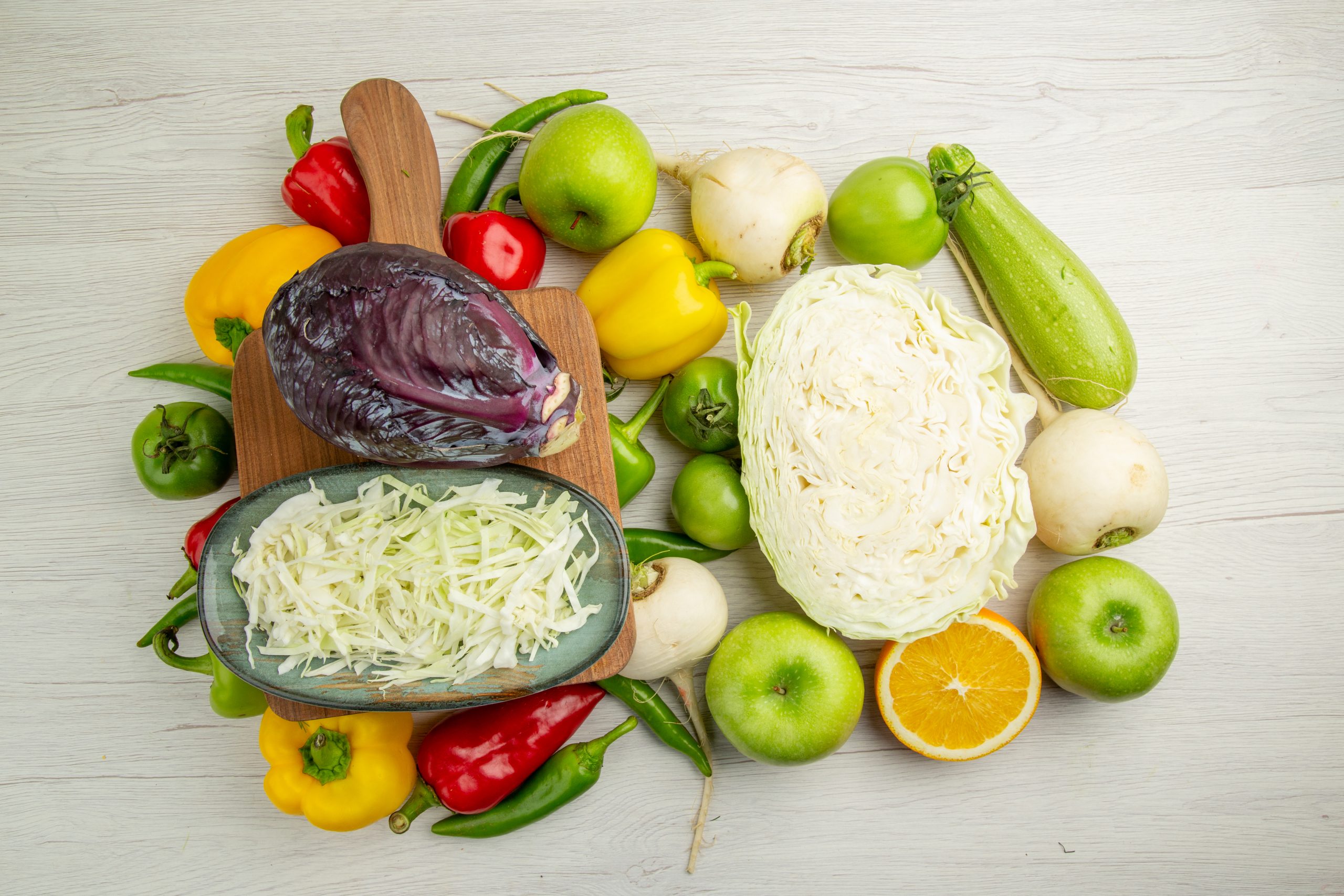
“Volume eating” is one of the easiest ways to lose weight without feeling like you’re missing out. This means putting foods on your plate that have a low energy density, which means they take up a lot of space in your stomach but don’t have many calories.
Spinach, kale, and Swiss chard are all leafy greens that are full of fiber and water. You can eat a lot of these greens and still feel full without adding a lot of calories to your daily total.
Cruciferous Vegetables: Broccoli, cauliflower, and Brussels sprouts are not only high in fiber, but they also fill you up more than other vegetables. People have started using cauliflower instead of rice or pizza crusts because it has the same texture but fewer calories.
Potatoes (boiled): People who don’t eat a lot of carbs often avoid them, but plain boiled potatoes are one of the most filling foods on the planet. They have a little bit of almost every nutrient you need and keep you full for a very long time.
3.Healthy Fats: The Key to Feeling Full
Eating fat to lose fat may seem strange, but healthy fats are important for making hormones and feeling full after a meal. The most important thing is to control your portions because fats have a lot of calories.
Avocados are different from other fruits because they are full of healthy fats instead of sugar. They are very high in fiber and oleic acid, which makes them great for keeping hunger at bay.
A small handful of almonds or walnuts is the perfect amount of protein, fiber, and fat. Just remember the “handful” rule, because it’s easy to eat too many of these crunchy snacks.
Chia Seeds: These little seeds can soak up 12 times their weight in water, which makes them turn into a gel-like substance in your stomach. This makes digestion take longer and keeps you full longer.
4. Whole grains and legumes
Complex carbs are not bad for you. The fiber in beans and some grains helps keep blood sugar levels stable, which stops the “crashes” that make you crave sugar.
Beans and lentils are special because they are high in both protein and fiber. Lentils, black beans, and chickpeas are cheap and can be used in a lot of different ways in soups, salads, and stews.
Oats and Quinoa: Oats are high in beta-glucan, a soluble fiber that has been shown to make you feel full and improve your metabolic health. Quinoa is a rare plant-based food that is a complete protein, so it makes a great base for any meal.
5. Fruit: The Dessert That Helps You Lose Weight
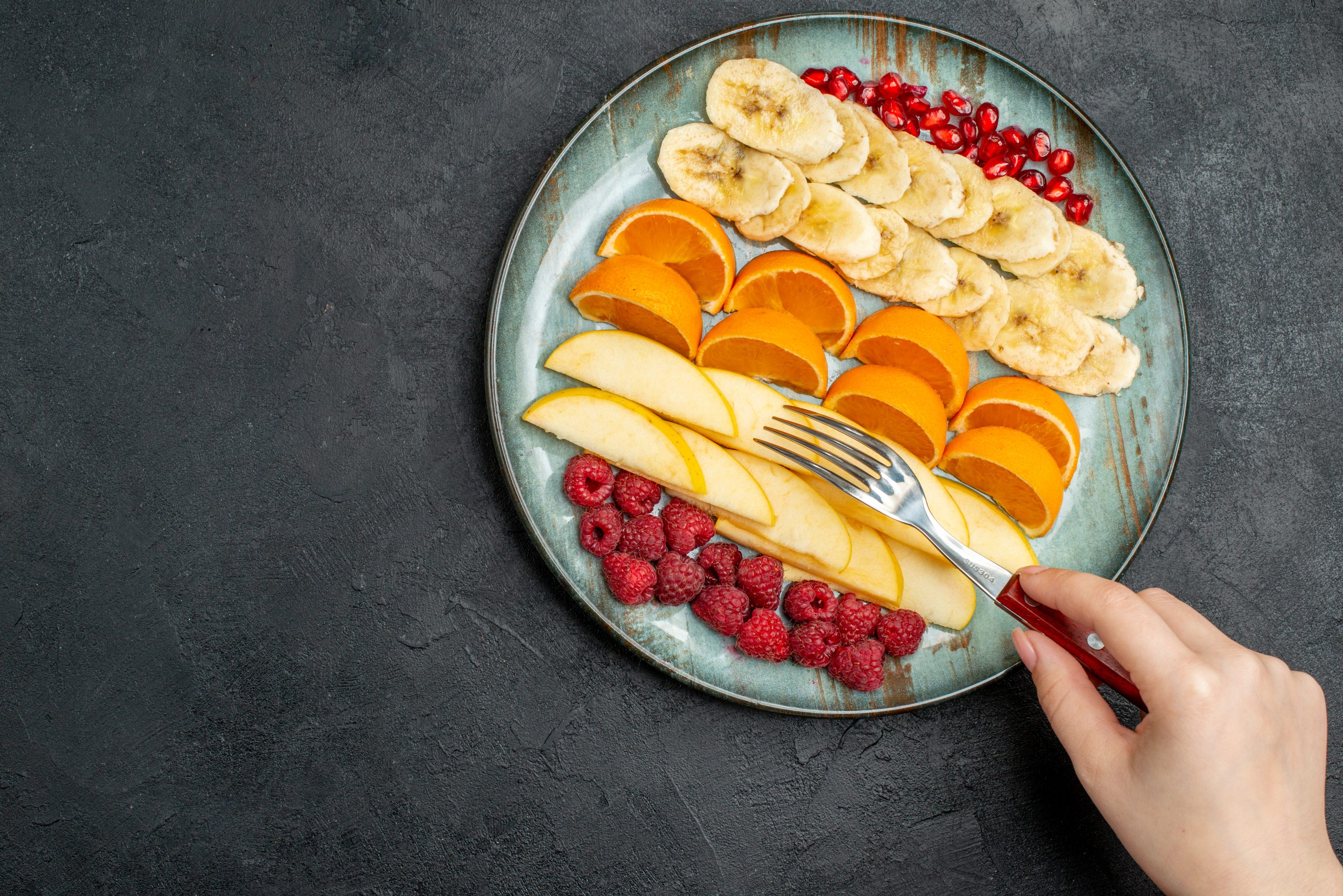
When you want sugar, the best thing to do is eat fruit. Fruit has natural sugars, but it also has fiber that keeps insulin levels from going up too high.
Blueberries, strawberries, and raspberries are low in sugar but high in fiber and antioxidants. They make yogurt or oatmeal taste sweet without adding a lot of calories like processed sweets do.
Some studies say that eating half a grapefruit before meals can help you lose weight and lower your insulin resistance. This is mostly because it keeps you hydrated and fills you up before the main course.
Useful Advice for Eating in a Way That Lasts
Put whole foods first: If something comes in a box with a long list of ingredients, it’s probably made to be “hyper-palatable,” which makes it harder for you to stop eating.
First, drink water. Our brains often mix up hunger and thirst. If you drink a glass of water 20 minutes before a meal, you might naturally eat fewer calories.
Mindfully eat: It takes about 20 minutes for your stomach to tell your brain that it’s full. When you eat slowly and without distractions, like your phone, you can avoid overeating.
Don’t be afraid of spice. Capsaicin, which is found in chili peppers, can speed up your metabolism and make you less hungry. Plus, food that tastes good is more satisfying!
Questions and Answers That Are Common
Q1: Is it possible to lose weight by only eating “superfoods”?
No one food can make you lose weight on its own. A steady caloric deficit leads to weight loss. But “superfoods” like leafy greens and lean proteins make it much easier to stay in that deficit because they fill you up and give you the nutrients you need.
Q2: Is sugar in fruit bad for losing weight?
Fiber surrounds the sugar in the whole fruit, which slows down how quickly it gets into the body. This is not the same as the “added sugar” in candy or soda. As long as you don’t drink too much juice, fruit is a great part of a weight loss diet.
Q3: Why is it important to eat protein to lose weight?
Protein has the highest “satiety index,” which means it makes you feel full longer than fats or carbs. It also helps you keep your muscle mass while you lose fat, which is important for keeping your metabolism high.
Q4: Are foods with “low-fat” labels better for losing weight?
Not usually. When companies take out fat, they often add sugar or salt to keep the taste. In most cases, it’s better to eat a smaller amount of the full-fat version of a food than a lot of the highly processed “low-fat” version.
Q5: For the best results, how many meals should I eat each day?
There is no such thing as a “perfect” number. Some people do well with three meals a day, while others do better with five small snacks. The most important thing is how much and what kind of food you eat all day, not how often you eat it.
It’s not about being perfect when you lose weight; it’s about making better choices most of the time. You make it easy to make healthy choices by filling your kitchen with these foods that are high in nutrients. Eating real food doesn’t just change your weight; it also changes how you feel, how you move, and how you live.