

When you have oily skin, it can feel like you’re always fighting against unwanted shine and breakouts in the middle of the day. It may seem like the best way to get rid of all the oil is to get rid of it all, but the key to a healthy, glowing complexion is to drink enough water and take care of your skin gently.
When the sebaceous glands make too much sebum, the skin becomes oily. Sebum is important for keeping the skin safe and hydrated, but too much of it can make the skin feel greasy and clog pores. A good routine doesn’t “dry out” the skin; instead, it keeps the skin barrier healthy and controls oil production.
1. The Foundation: Cleaning Without Stripping
The morning and evening cleanse is the most important step for oily skin. A lot of people use harsh, foaming cleansers that make their skin feel “squeaky clean,” which is a mistake. Sadly, this often causes a rebound effect, which means that the skin makes even more oil to make up for the sudden dryness.
Find a gentle foaming wash or a gel cleanser that is water-based and has Salicylic Acid (BHA) in it. Salicylic Acid can get deep into the pores because it is oil-soluble. This breaks up the “glue” that keeps oil and dead skin cells together. This stops blackheads and acne from forming in the first place.
2. The Strength of Toning
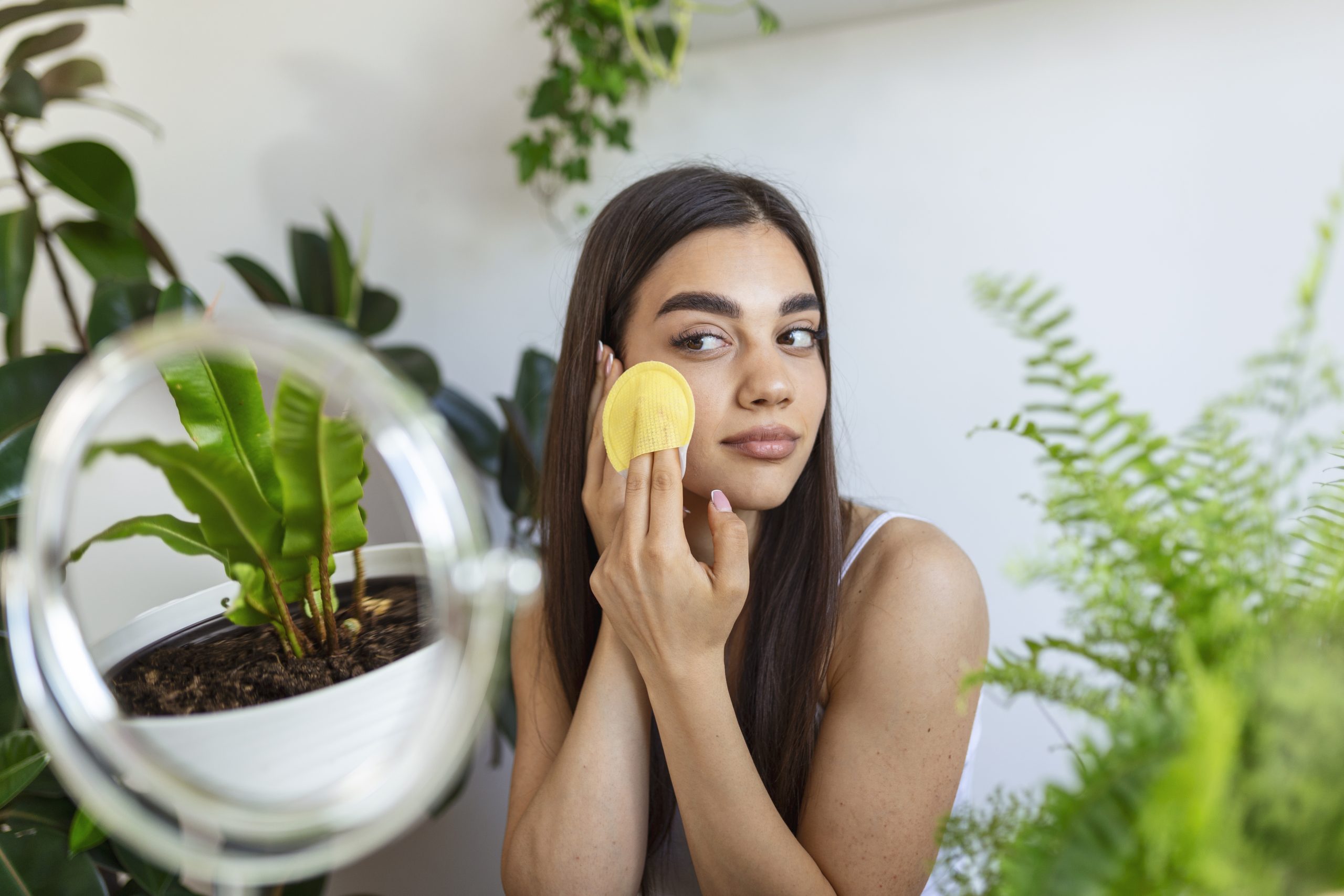
Toners have changed a lot since the days when they were mostly made with alcohol. A toner should now be a refreshing link between cleaning and moisturizing. An alcohol-free toner with Witch Hazel or Niacinamide is best for oily skin.
Niacinamide, also known as vitamin B3, is a great ingredient for people with oily skin. It helps make enlarged pores look smaller, tightens loose pores, and makes skin tone more even. It also makes the skin’s surface stronger, which helps keep moisture in and environmental stressors out.
3. Treatments that are aimed at specific problems: serums and exfoliants
For oily skin, exfoliation is where the real magic happens. But physical scrubs with big particles can make tiny tears in the skin. Choose chemical exfoliants instead.
If you use a BHA (Beta Hydroxy Acid) exfoliant two to three times a week, it can change the way your skin feels. It cleans the inside walls of the pores, which makes breakouts happen less often. Adding a Vitamin C serum to your morning routine can help brighten your skin and protect it from pollution with antioxidants if you have dark spots from old acne.
4. The Hydration Myth: Why Oily Skin Needs a Moisturizer
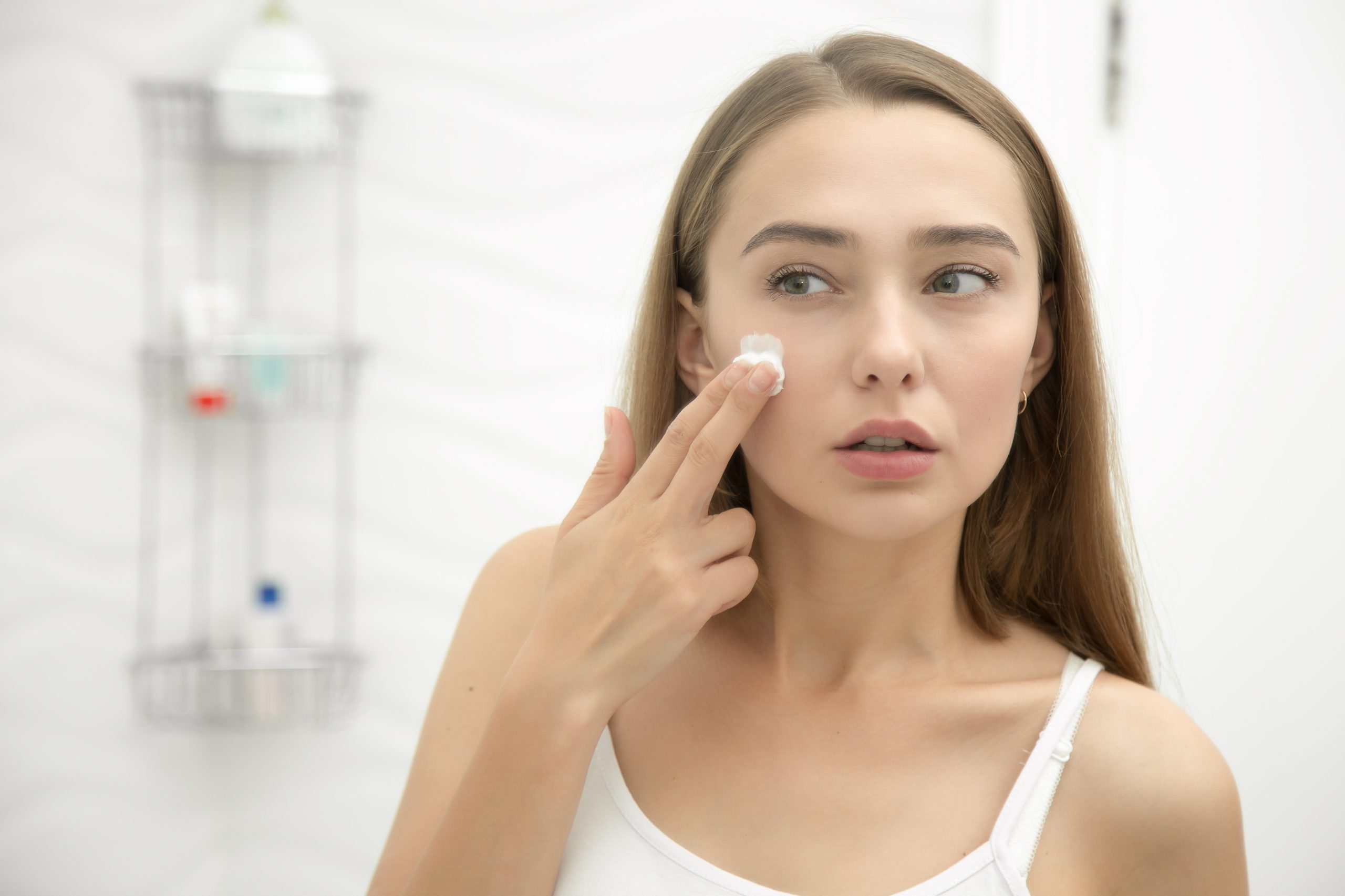
A common myth about skin care is that oily skin doesn’t need moisturizer. If you don’t do this step, your skin may actually get dry. Skin that is dehydrated doesn’t have oil; it has water. When skin is dry, it feels tight but looks greasy.
The most important thing is to pick a gel-based moisturizer that is light and oil-free. These formulas give the skin the right amount of water without adding heavy oils that make it feel “heavy.” Hyaluronic Acid and other ingredients like it are great because they can hold up to 1,000 times their weight in water, which makes the skin look fuller without clogging pores.
5. Sunscreen is a must for daily protection.
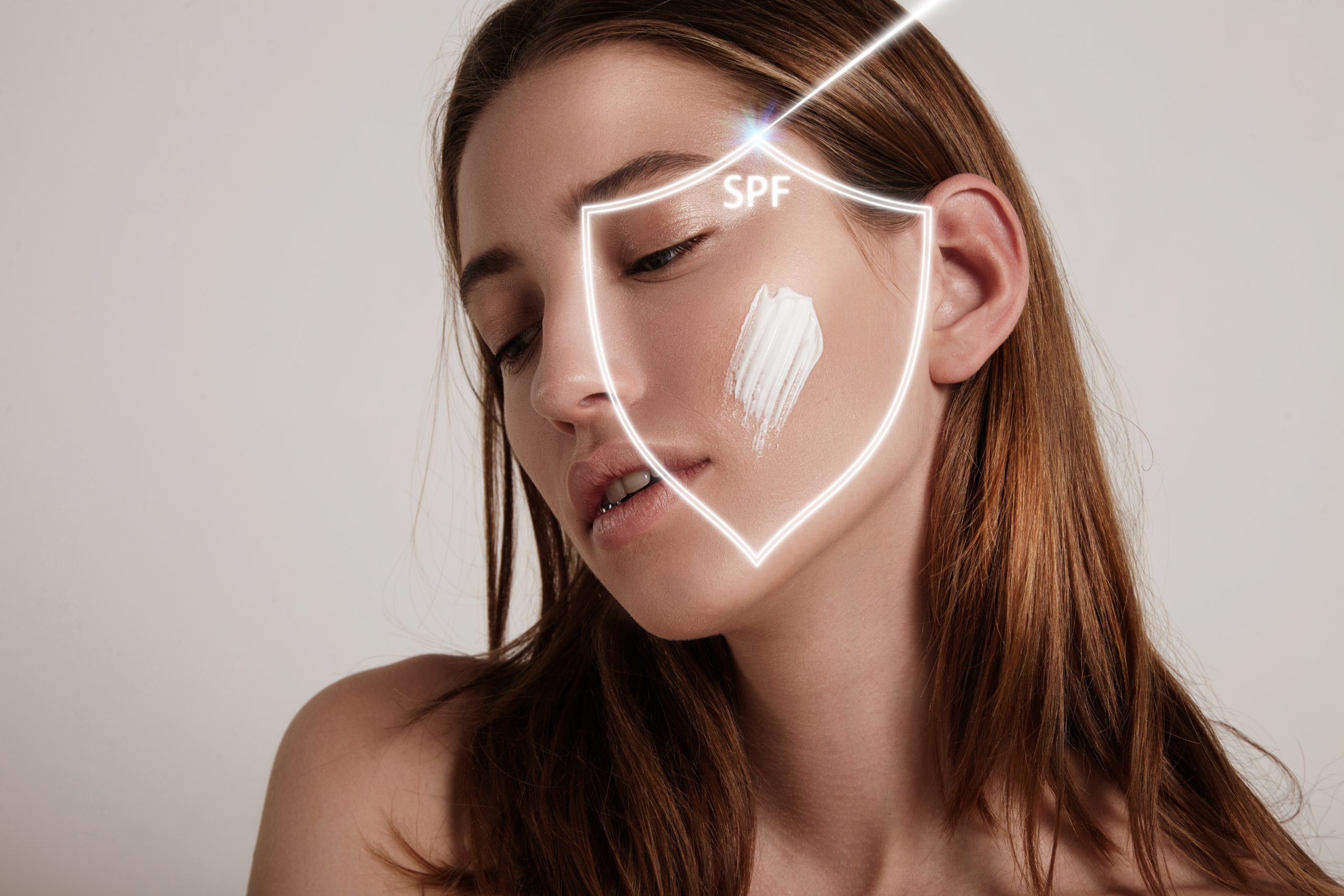
The most important thing you can do to stop aging is to use sunscreen. People with oily skin often stay away from it because they think it will be too greasy or make their skin break out. But UV damage can make pores look bigger and make acne scars look worse.
We now have “matte-finish” or “dry-touch” sunscreens thanks to modern skin care technology. These are made to soak up extra oil all day long. Zinc Oxide is a mineral that naturally soothes skin and can help calm redness that comes with oily, acne-prone skin.
6. Recovery at Night

While you sleep, your skin does the most work. Now is the time to use ingredients that might be too strong for daytime use, such as Retinoids. Retinol helps cells turn over more quickly and keeps oil production in check. Start out slowly, maybe once or twice a week, and then do it more often as your skin gets used to it.
It can also help to add a clay mask once a week. Kaolin or Bentonite clay works like a vacuum for your pores, pulling out dirt and extra oil that built up during the week.
Tips to Help You Succeed Every Day
Don’t touch your face: touching it spreads dirt and bacteria to your skin.
Wash your pillowcases: Change them at least once a week so you don’t sleep on a pile of hair and oil.
Blotting papers instead of powder: If you get shiny during the day, use a blotting paper to soak up oil instead of adding more powder, which can make your skin look cakey.
Washing your face with lukewarm water is important. Hot water can make your skin feel bad and make your skin produce more oil.
Frequently Asked Questions and Answers
Q1: How often should I wash my face each day?
To keep your skin healthy, you should wash your face twice a day: once in the morning to get rid of oils that have built up overnight and once in the evening to get rid of dirt, makeup, and sunscreen. Too much washing can make the skin angry and cause it to make more oil.
Q2: Is it okay to use face oils on oily skin?
Yes, but you need to be careful. Some oils, like Jojoba oil, are very similar to the oil that the skin makes on its own. These oils can even help “trick” the skin into making less oil. But don’t use oils that are thick and very comedogenic, like coconut oil.
Q3: Why does my skin feel oily, but also tight and flaky?
This means your skin is dry. Your skin is making too much oil, but it doesn’t have enough water. Use a gentle cleanser and a moisturizer that has a lot of humectants, like glycerin or hyaluronic acid, to fix this.
Q4: How long does it take for a new routine to show results?
It usually takes skin cells 28 to 30 days to grow back. Before deciding if a new skincare routine is working for you, you should use it consistently for at least 4 to 6 weeks.
Q5: Does what I eat make my skin oilier?
The best way to take care of your skin is to use skincare products, but some studies suggest that eating foods with a lot of sugar (like white bread and sugary snacks) can raise hormone levels, which may make your skin produce more oil. Eating a balanced diet and drinking enough water can definitely help keep your skin healthy.
You can change oily skin into a healthy, natural glow by focusing on balance instead of getting rid of it. Your best tool is consistency. Your skin will thank you with a clearer, smoother complexion if you start with the basics: cleanse, treat, moisturize, and protect.