
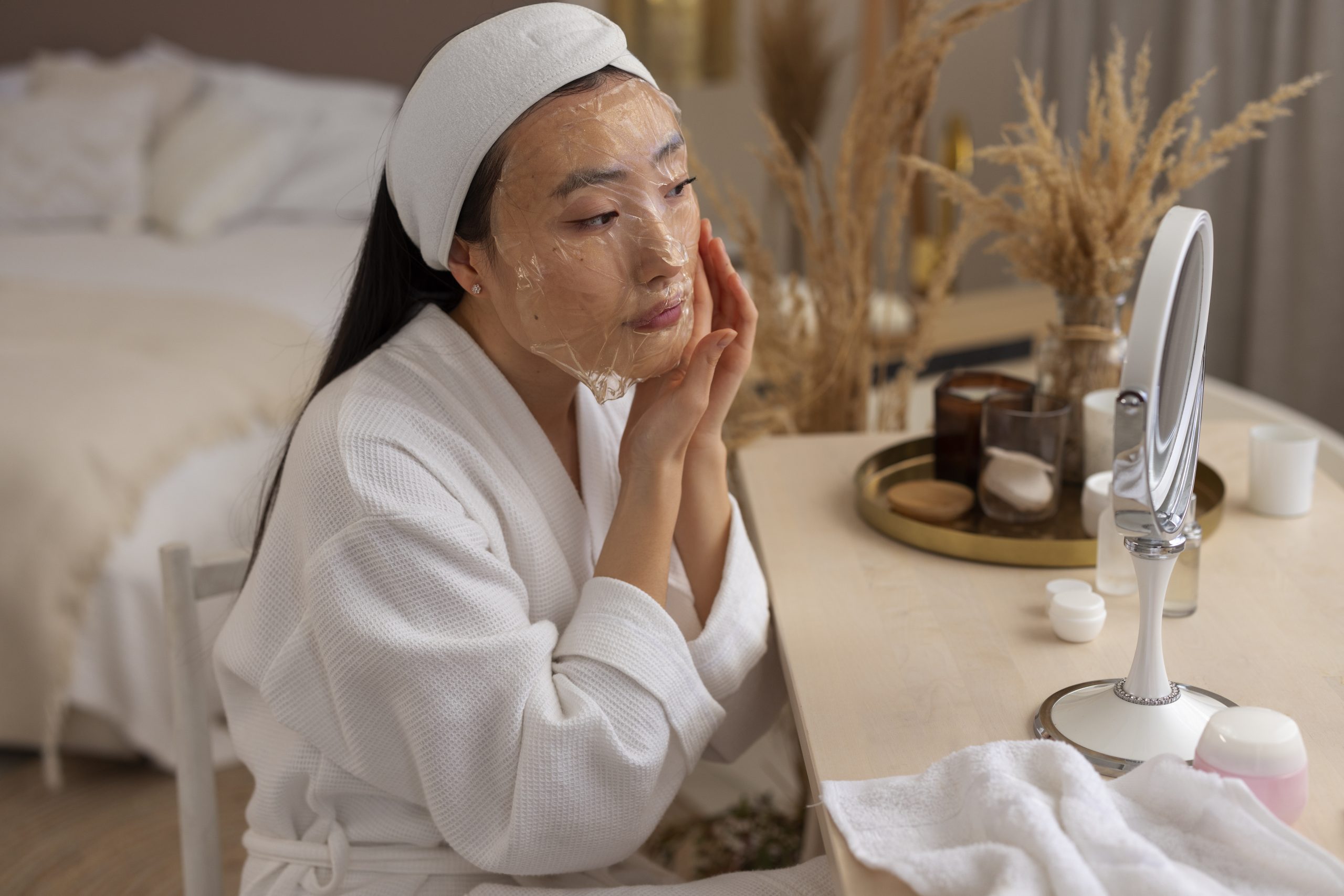
People with dry skin often feel like they are always looking for comfort. After showering, their skin may feel tight, flake off, or look dull instead of glowing. Dry skin is different from oily skin, which has too much sebum. Instead, dry skin has too few natural oils and a weak moisture barrier.
The goal of a dry skin routine is simple but vital: replenish lost moisture and, more importantly, lock it in so it doesn’t evaporate into the air. By choosing the right ingredients and habits, you can transform a rough texture into a supple, hydrated canvas.
1. The Gentle Cleanse: Less is More

For those with dry skin, the “cleansing” step is often where the most damage is done. Traditional soaps and foaming washes are designed to break down oils, but when your skin is already lacking oil, these products can leave your face feeling parched and irritated.
Switching to a cream or milk-based cleanser can be a game-changer. These formulas remove impurities while depositing hydrating agents back into the skin. In the morning, you might even find that a simple splash of lukewarm water is enough, saving the deep cleanse for the evening to remove the day’s environmental buildup.
2. Damping the Skin: The Golden Rule
One of the most effective secrets to hydrating dry skin doesn’t involve a product at all, but rather the timing of application. Never apply your skincare to bone-dry skin.
When you step out of the shower or finish washing your face, gently pat your skin so it is still slightly damp. Applying your serums and moisturizers at this moment traps that extra water into your pores. This simple shift in habit can increase the effectiveness of your products by a significant margin.
3. Essential Ingredients: The Hydration Heroes
When reading labels, look for “humectants,” “emollients,” and “occlusives.” These three types of ingredients work together to heal dry skin:
Humectants (Hyaluronic Acid, Glycerin): These act like magnets, pulling moisture from the air into your skin.
Emollients (Ceramides, Squalane): These fill in the tiny gaps between skin cells, smoothing the surface and repairing the skin barrier.
Occlusives (Shea Butter, Petrolatum): These create a protective seal on top of the skin to prevent “Transepidermal Water Loss” (TEWL).
Ceramides are particularly important. They are the fatty acids that make up about 50% of your skin barrier. When you are low on ceramides, your skin becomes reactive and prone to redness.
4. Strategic Exfoliation

It is a common misconception that you should “scrub away” dry flakes. While removing dead skin cells is important for allowing products to penetrate deeper, harsh physical scrubs can cause microscopic tears.
Instead, use a Lactic Acid exfoliant once or twice a week. Lactic Acid is an Alpha Hydroxy Acid (AHA) that is much gentler than Glycolic Acid. It works by dissolving the bonds between dead cells while simultaneously acting as a humectant to hydrate the skin. It’s the “smart” way to achieve a smooth texture without the irritation.
5. Layering Like a Pro: The Moisture Sandwich
Think of your skincare like winter clothing; layering is essential for protection. After cleansing your damp face, start with a hydrating toner or essence. Follow this with a serum rich in Vitamin E or Hyaluronic Acid.
Next, apply a thick, nourishing moisturizer. If your skin feels particularly thirsty, you can finish your nighttime routine with a few drops of facial oil (like Rosehip or Argan oil). The oil acts as a “topcoat,” ensuring all the watery hydration you just applied stays exactly where it belongs.
6. Protection and Environment

Dry skin is highly susceptible to environmental damage. In the winter, indoor heating strips moisture from the air, and in the summer, the sun can bake the skin’s surface.
Sunscreen is a daily requirement. Look for cream-based sunscreens that offer a “dewy” finish. These often contain added moisturizers that keep your skin feeling comfortable throughout the day. Additionally, using a humidifier in your bedroom at night can provide a constant source of moisture for your skin to drink in while you sleep.
Daily Habits for Lasting Softness
Avoid Hot Water: Steam feels great, but hot water strips the natural oils from your skin. Stick to lukewarm temperatures.
Silk Pillowcases: Unlike cotton, silk doesn’t absorb the moisture (or the expensive night cream) from your face while you sleep.
Internal Hydration: While drinking water isn’t a “cure” for dry skin, a dehydrated body will never produce a hydrated complexion.
Alcohol-Free Everything: Avoid toners or mists that contain denatured alcohol, which evaporates quickly and takes your skin’s natural moisture with it.
Frequently Asked Questions and Answers
Q1: Can dry skin cause premature aging?
Dry skin doesn’t necessarily cause wrinkles, but it makes them much more visible. When skin is parched, fine lines look deeper and more pronounced. Keeping the skin plump with moisture helps maintain a youthful, bouncy appearance.