
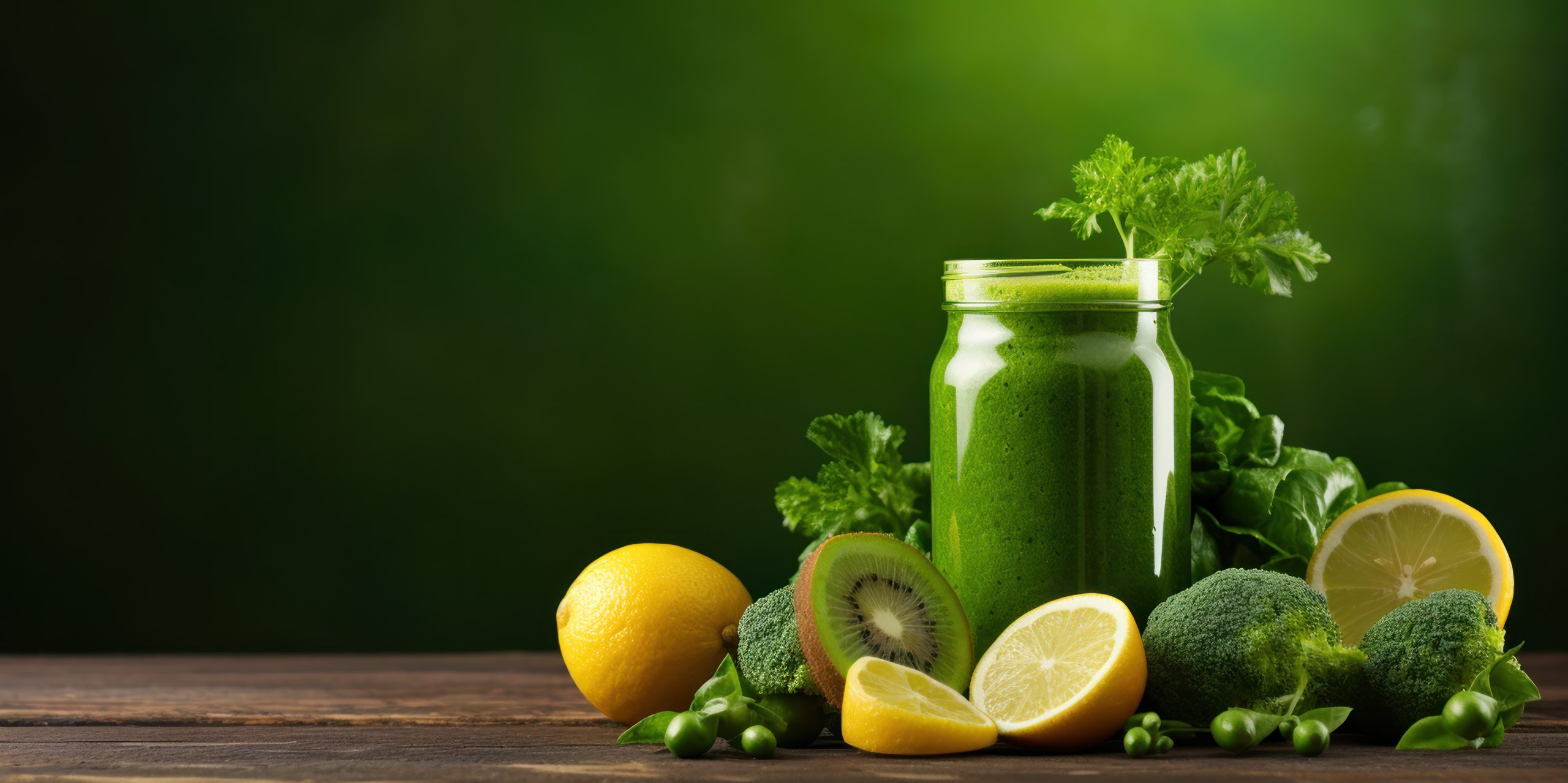
Your body is doing something remarkable right now. Without any effort from you, your liver, kidneys, and digestive system are working together to filter waste, flush out harmful compounds, and keep your blood clean. But here’s what most people miss — the food you eat every single day either helps that process or quietly gets in its way.
This guide is about food choices that genuinely support what your body already does naturally. No fad diets. No expensive supplements. Just real food, explained in a way that actually makes sense.
What “Detox” Really Means
Before jumping into the food list, it helps to understand what detoxification actually is. Your liver breaks down toxins — alcohol, medications, environmental pollutants, even byproducts of your own metabolism — and converts them into forms your body can eliminate. Your kidneys filter your blood and send waste out through urine. Your gut pushes everything else out.
When people say “detox foods,” they mean foods that give these organs what they need to perform better. Think of it as fueling the cleaning crew, not replacing them.
8 Natural Detox Foods Worth Adding to Your Diet
1. Lemon
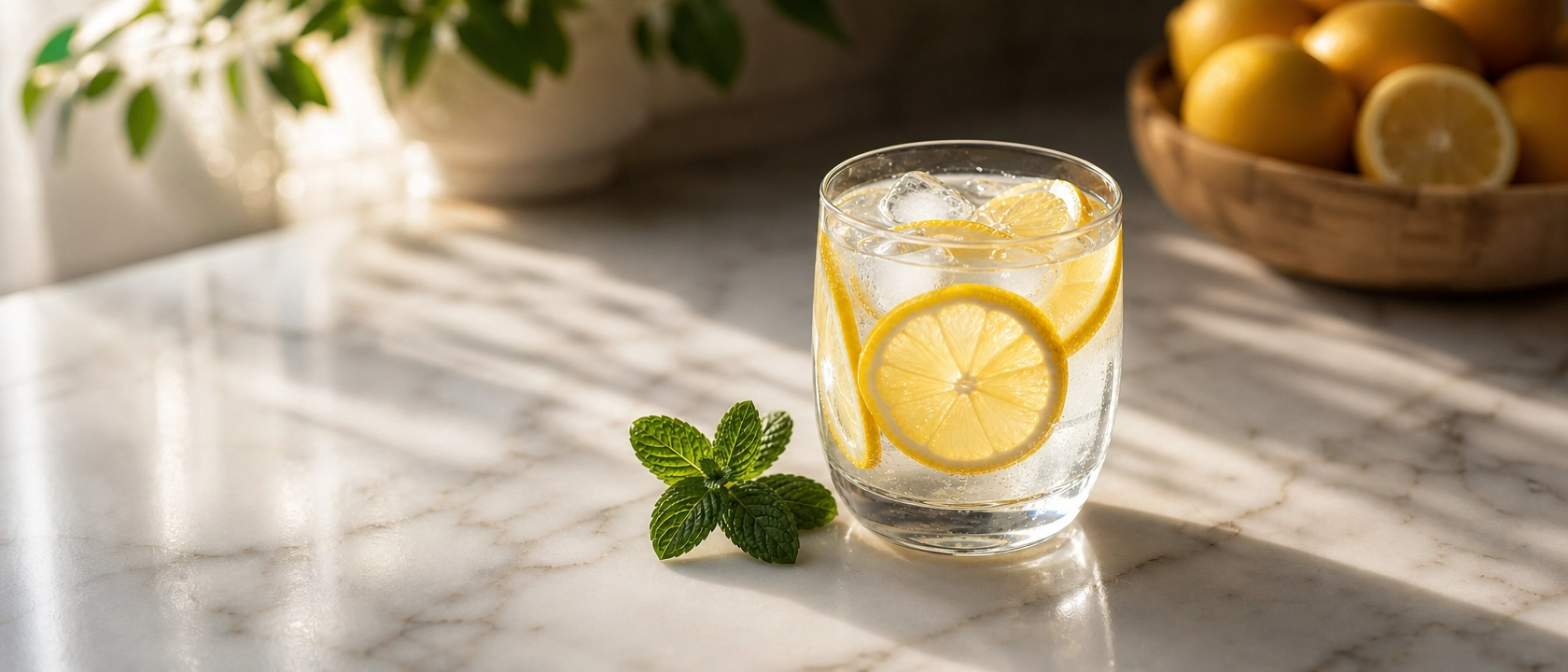
Starting with one of the most overlooked kitchen staples. Lemon is rich in vitamin C, which helps the liver produce more glutathione — one of the body’s most important antioxidants. Glutathione directly neutralizes free radicals and supports phase two liver detoxification. A warm glass of lemon water in the morning also stimulates bile production, which helps break down fat and move waste through the digestive tract more smoothly.
You do not need a fancy lemon detox program. Just squeezing half a lemon into water each morning is enough to get real benefits.
2. Garlic
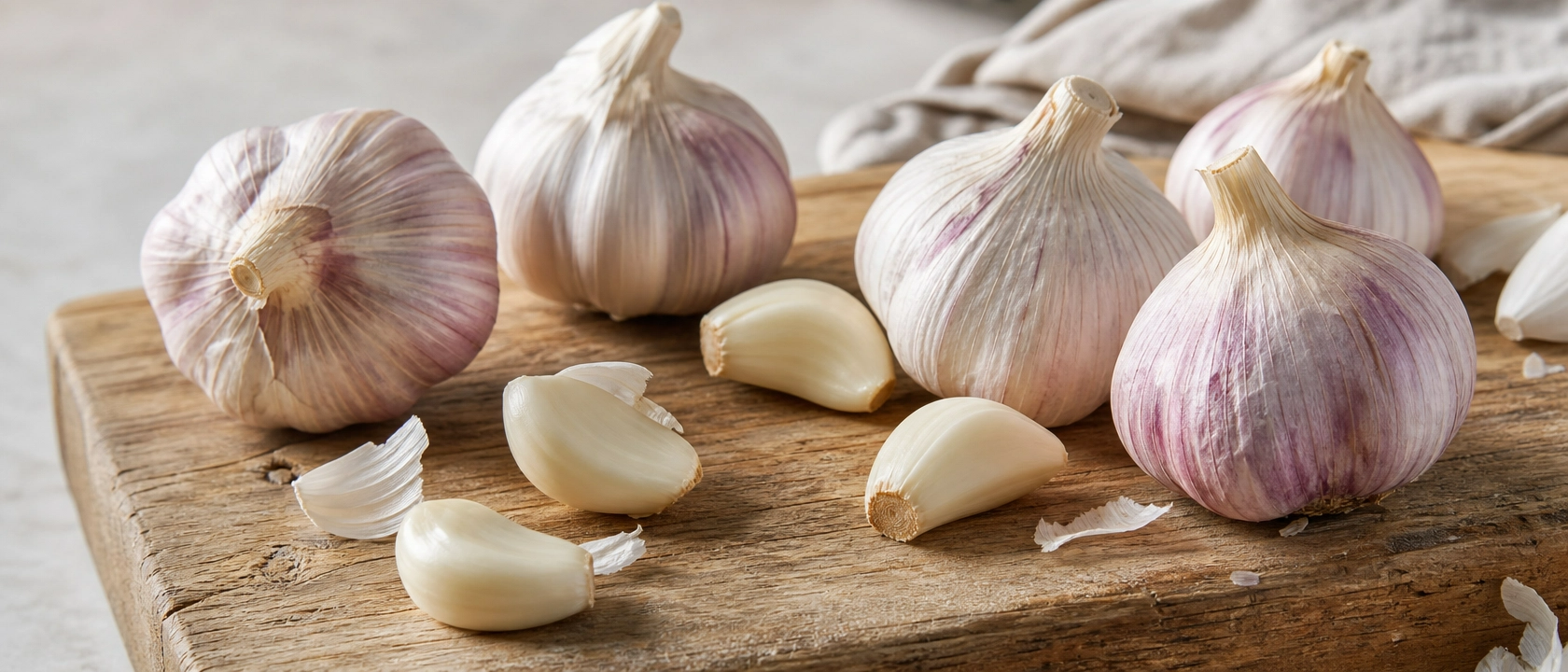
Garlic contains a compound called allicin, which activates liver enzymes responsible for flushing out toxins. It also has sulfur compounds that help the liver break down harmful chemicals before they accumulate. Beyond that, garlic is a natural antimicrobial, which means it supports gut health by keeping harmful bacteria in check.
Raw garlic is more potent than cooked, but even adding it to cooked meals regularly still delivers meaningful benefits.
3. Beets
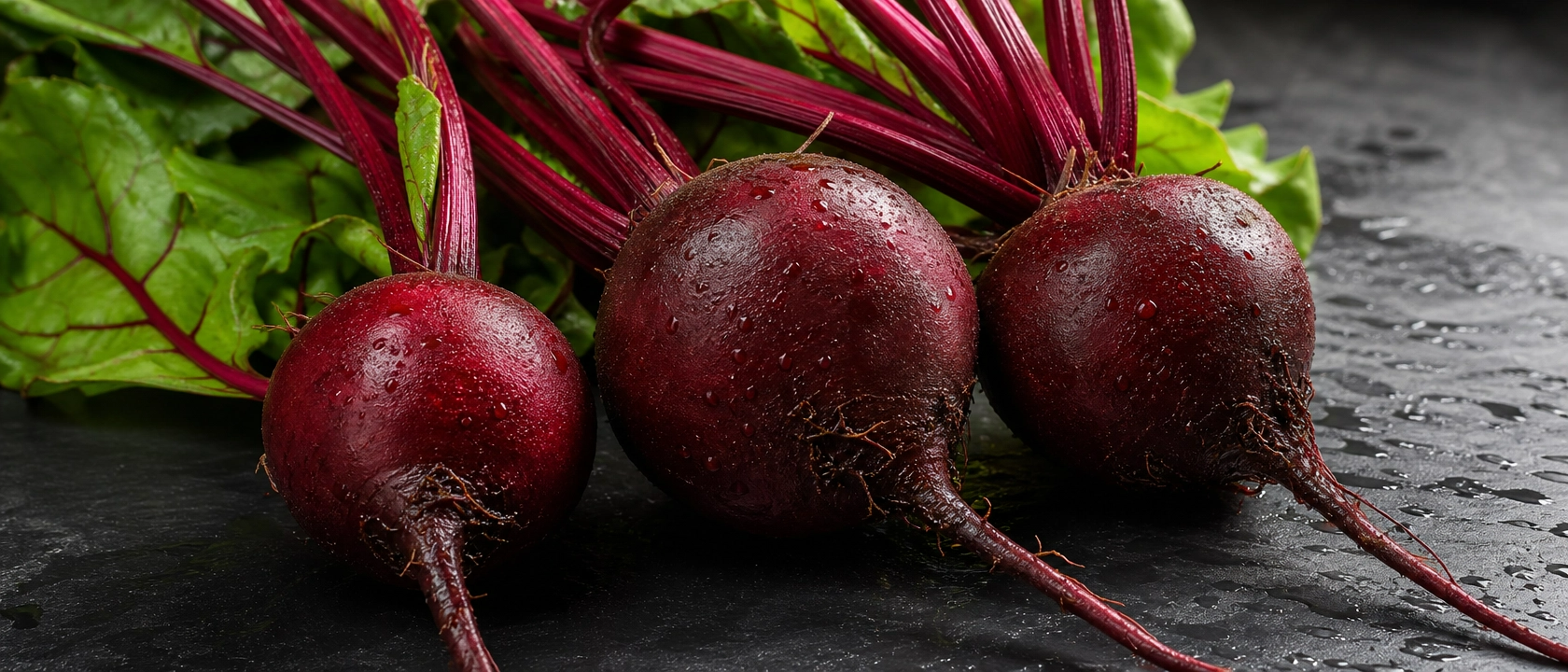
Beets are one of the most underrated detox foods available. They contain betalains — the pigments that give them their deep red color — which have strong anti-inflammatory and antioxidant properties. Beets also support bile flow, which is essential for the liver to process and eliminate toxins effectively. The fiber in beets feeds beneficial gut bacteria and keeps your bowel movements regular, which is critical because stool is one of the body’s primary routes for eliminating waste.
Try roasting beets, adding them raw to salads, or blending them into smoothies.
4. Leafy Greens
Spinach, kale, arugula, and Swiss chard are loaded with chlorophyll — the compound that makes plants green. Chlorophyll binds to heavy metals and some environmental toxins in the digestive tract, reducing how much gets absorbed into the bloodstream. Leafy greens are also high in folate, which the liver needs for proper methylation, a process involved in detoxifying hormones and other compounds.
Eating greens daily is genuinely one of the most impactful dietary habits you can build.
5. Turmeric
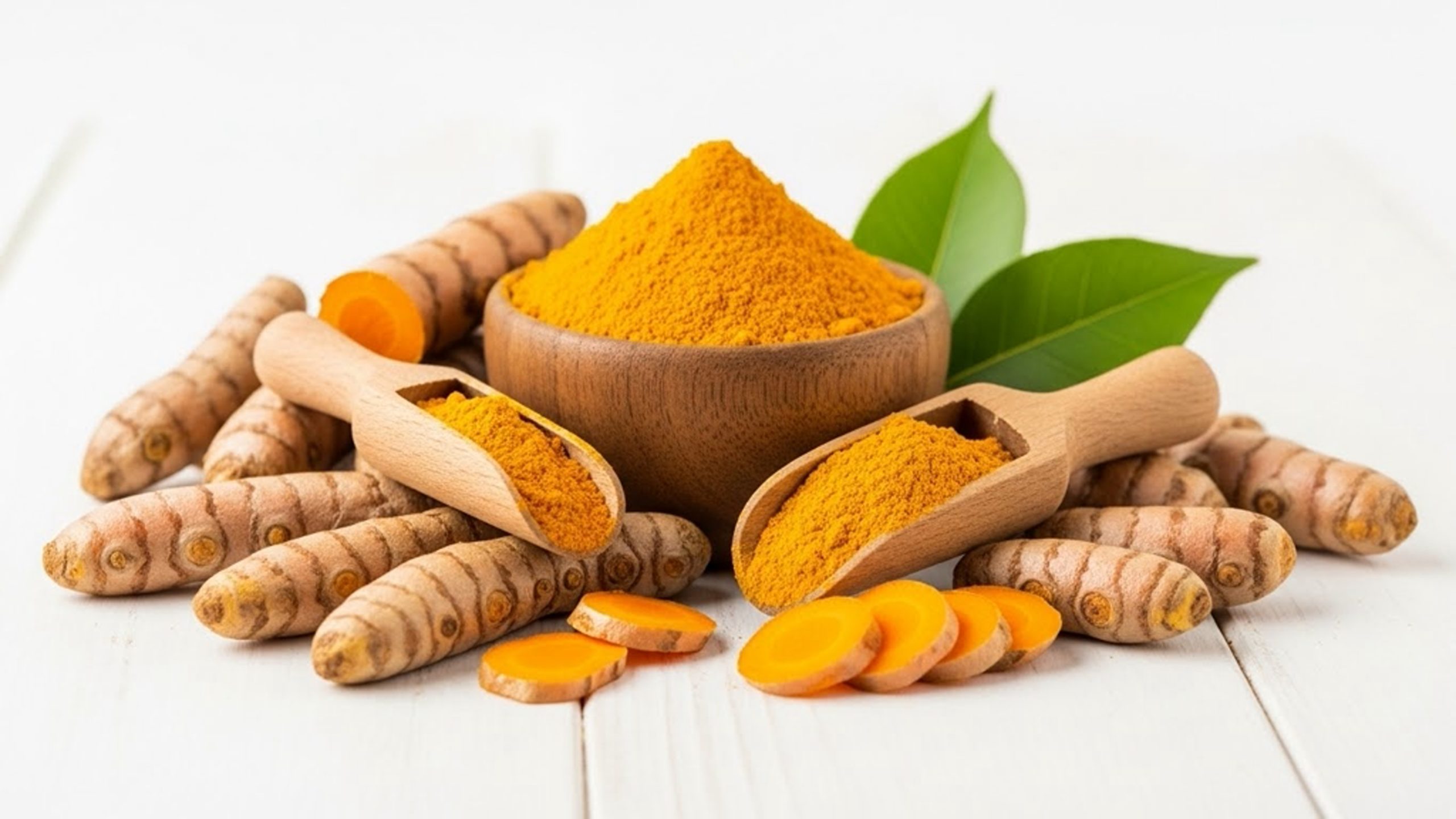
Turmeric contains curcumin, a powerful anti-inflammatory compound that protects liver cells from damage. Studies have shown it helps increase the production of bile and supports enzyme activity involved in neutralizing toxins. Because the liver is most effective when it is not inflamed, eating anti-inflammatory foods like turmeric directly translates into better detox capacity.
Add it to soups, curries, rice, or even a warm milk drink before bed.
6. Green Tea
Green tea is rich in catechins, a type of antioxidant that has been shown to protect the liver and improve its ability to function. It also promotes healthy kidney function and increases the body’s production of detoxifying enzymes. Replacing one or two cups of sugary drinks with green tea daily is a simple but meaningful shift.
Go for plain, unsweetened green tea for the actual benefits. Bottled versions often have very little of the active compounds.
7. Ginger
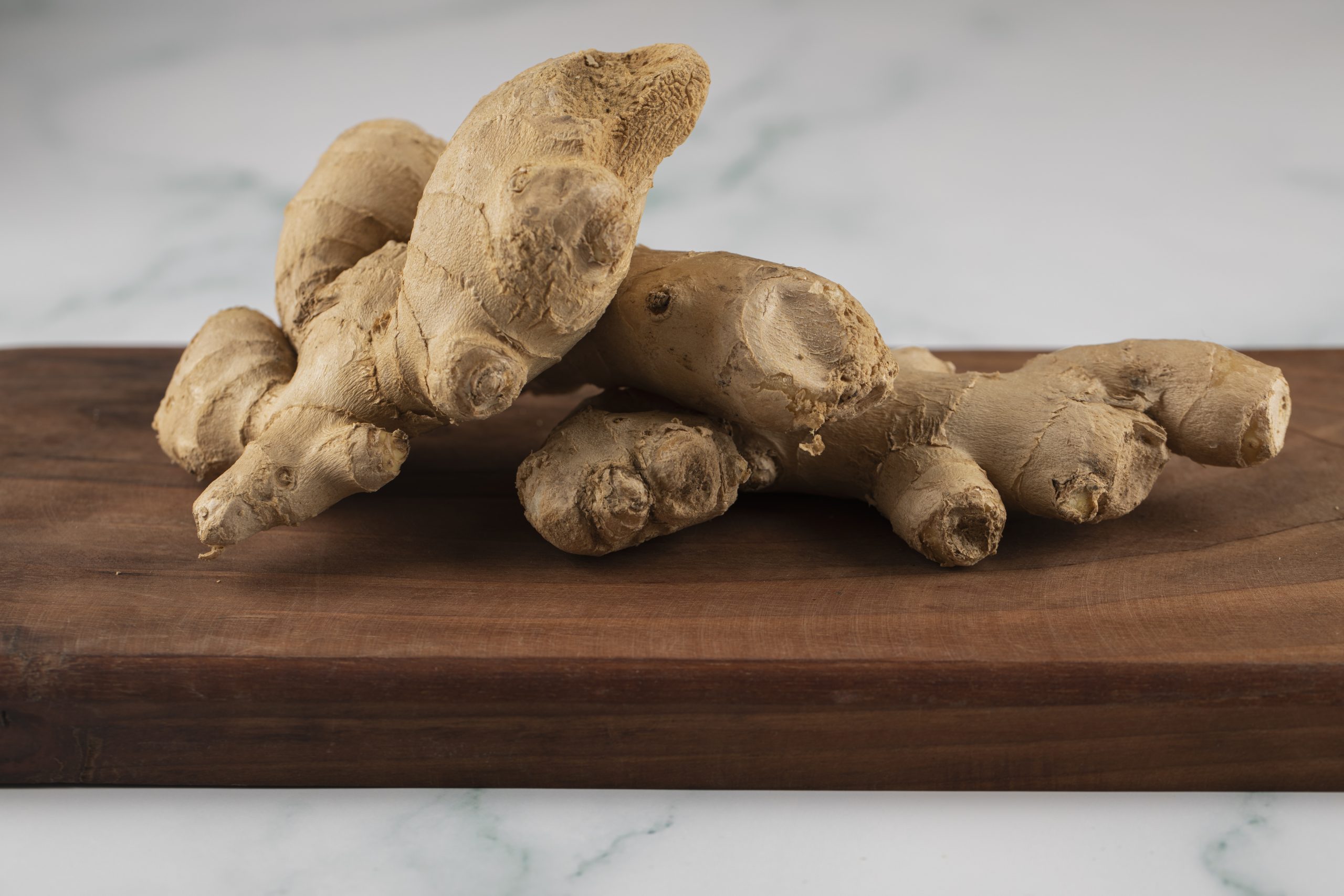
Ginger supports digestion, reduces gut inflammation, and stimulates the digestive system to move waste through more efficiently. It also supports liver enzyme activity. People who eat ginger regularly often notice less bloating and more consistent digestion, which matters because a sluggish digestive system allows waste and toxins to linger longer than they should.
Fresh ginger sliced into hot water makes a simple, effective daily drink.
8. Cruciferous Vegetables
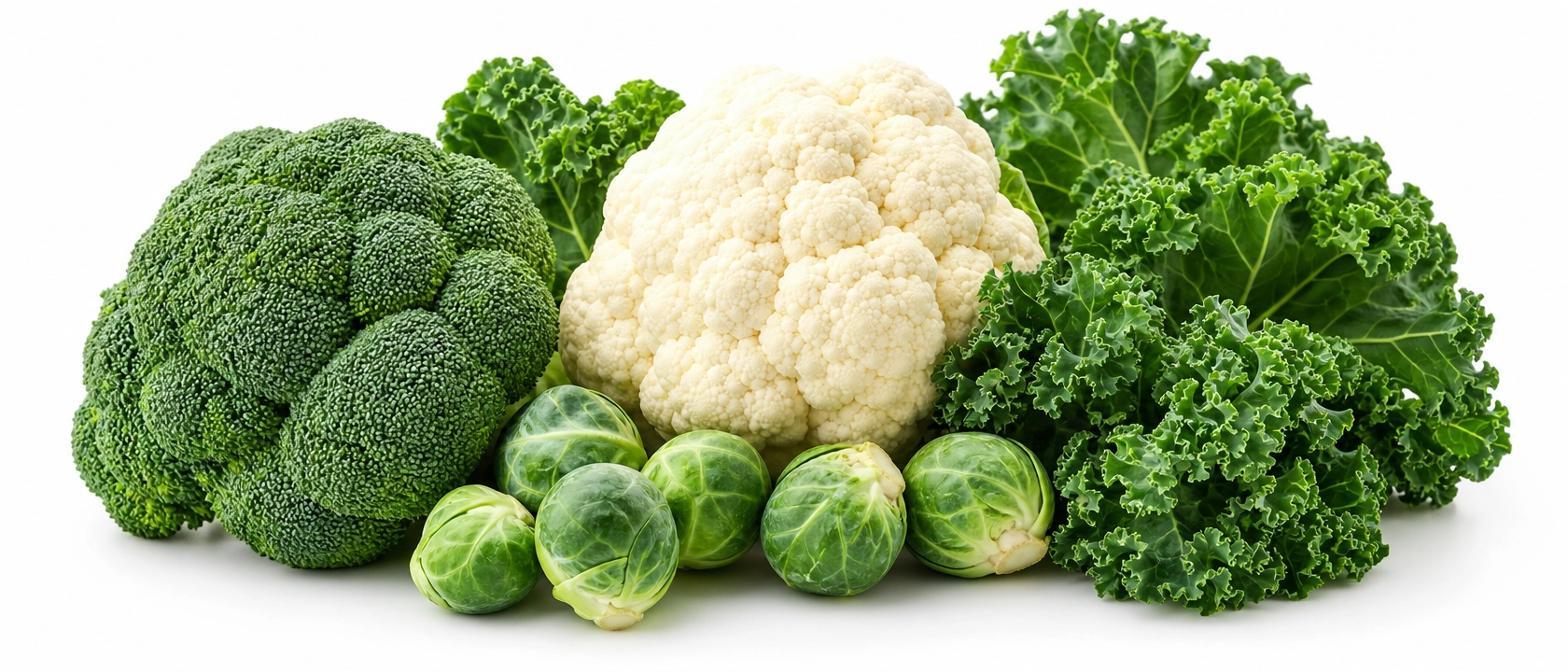
Broccoli, cauliflower, Brussels sprouts, and cabbage contain glucosinolates, which get converted in the body into compounds called isothiocyanates. These compounds directly activate liver detox enzymes in phase two detoxification — the stage where the liver neutralizes and prepares toxins for elimination. This is well-documented in nutritional research and is one of the strongest food-based ways to support liver function.
Steam them lightly rather than boiling to preserve the active compounds.
Simple Habits That Amplify These Foods
Eating detox foods works better when you also drink enough water. Hydration is how the kidneys flush what the liver processes. Aim for around two liters daily, more in hot weather or after exercise. Sleep is another overlooked factor — the liver does much of its heaviest work overnight, so poor sleep directly limits how effective your natural detox system is.
Cutting back on alcohol, processed foods, and added sugar also removes unnecessary burden from your liver, giving it more capacity to handle the unavoidable environmental toxins everyone is exposed to.
You Do Not Need a Detox Program
Cleanses and detox teas are largely marketing. Your body already has a sophisticated, efficient detox system. What you actually need is to stop making that system work harder than it has to, and start feeding it the nutrients it needs to do its job well.
The foods listed here are not magic. But eaten consistently, they genuinely improve the conditions under which your liver, kidneys, and gut operate. That is what real detox support looks like.
Frequently Asked Questions
Q1: Do detox diets or cleanses actually work?
Most commercial detox programs have little scientific backing. Your liver and kidneys already perform detoxification continuously. What you can do is support their function through consistent, nutrient-rich eating — which is more effective than any short-term cleanse. A week-long juice cleanse does far less than building long-term habits around vegetables, hydration, and reduced processed food intake.
Q2: How quickly do natural detox foods show results?
There is no exact timeline because it depends on your current diet, lifestyle, and overall health. Most people who add more leafy greens, cruciferous vegetables, and water to their daily routine notice improved digestion within one to two weeks. Deeper benefits — like better liver enzyme levels or reduced inflammation markers — take consistent effort over months, not days.
Q3: Can I eat these foods if I have a liver or kidney condition?
Some detox foods, like green tea in very high doses or large amounts of beets, can interact with certain medications or conditions. If you have a diagnosed liver or kidney condition, speak with your doctor before significantly changing your diet. For most healthy people, these foods are safe and beneficial at normal serving sizes.
Q4: Is it necessary to eat these foods raw to get their benefits?
Not always. Some compounds are more potent raw — like allicin in garlic — but many detox foods retain their core benefits when lightly cooked. The key is to avoid overcooking, which can destroy heat-sensitive nutrients. Steaming, roasting, or light sautéing generally preserves most of what makes these foods valuable.
Q5: What is the single most impactful thing I can do to support my body’s detox system?
Drink enough water. It sounds simple, but adequate hydration is what allows your kidneys to efficiently filter and excrete what your liver processes. Most people who eat reasonably well but feel sluggish are simply not drinking enough water throughout the day. Beyond that, reducing alcohol and added sugar removes the biggest sources of unnecessary liver burden for most people.