

Have you ever felt like you’re constantly battling something—maybe a runny nose, a stubborn cough, or just general fatigue and weakness? It’s almost as if your body is trying to tell you something, right? We all want to feel our best, to wake up in the morning full of energy and ready to take on the day. And honestly, a big part of that depends on our immune system—the amazing, intricate defense network working quietly behind the scenes to keep us protected.
But here’s the thing: it doesn’t run on good intentions alone. Our immune system performs best when it gets the right “fuel,” and that fuel comes straight from the food we eat. Think of your body like a high-performance machine—would you fill a sports car with cheap, low-quality fuel? The same principle applies to your health.
If you’re done just hoping to stay healthy and want to actively strengthen and support your immune system, then it’s time to focus on the delicious, everyday foods that can truly make a difference. It’s easier than you might think to boost your body’s natural defenses—and trust me, your future self will thank you for taking the step today.
1. The Power on Your Plate
Your immune system isn’t just some abstract thing happening inside your body—it’s working around the clock to keep you healthy. I like to picture it as a dedicated team that never clocks out. Each part has its own role, and for everything to run smoothly, it needs steady, reliable fuel from the food you eat.
When your meals are balanced and full of nutrients, your body has the strength to defend itself. But when you’re living on junk food, skipping meals, or not getting enough variety, your immune system can feel the impact pretty quickly. You might find yourself catching every cold that goes around or feeling tired more often than usual.
The good news is, you don’t have to overhaul your entire life to make improvements. Small, smart choices—like adding more whole foods to your plate—can go a long way. A mix of fruits, vegetables, healthy proteins, and whole grains gives your body the support it needs to stay strong and ready for whatever comes its way.

2. Your Immune-Boosting Grocery List
If you’re wondering where to start, it begins at the grocery store. Filling your cart with the right foods makes healthy eating so much easier during the week. Think of it as stocking up on everyday essentials that quietly support your health behind the scenes.
Instead of focusing on one “superfood,” aim for variety. Different foods bring different nutrients to the table, and your body benefits from that mix. When your kitchen is full of colorful, fresh ingredients, you’re already setting yourself up for better choices.
3. Citrus Fruits and Berries
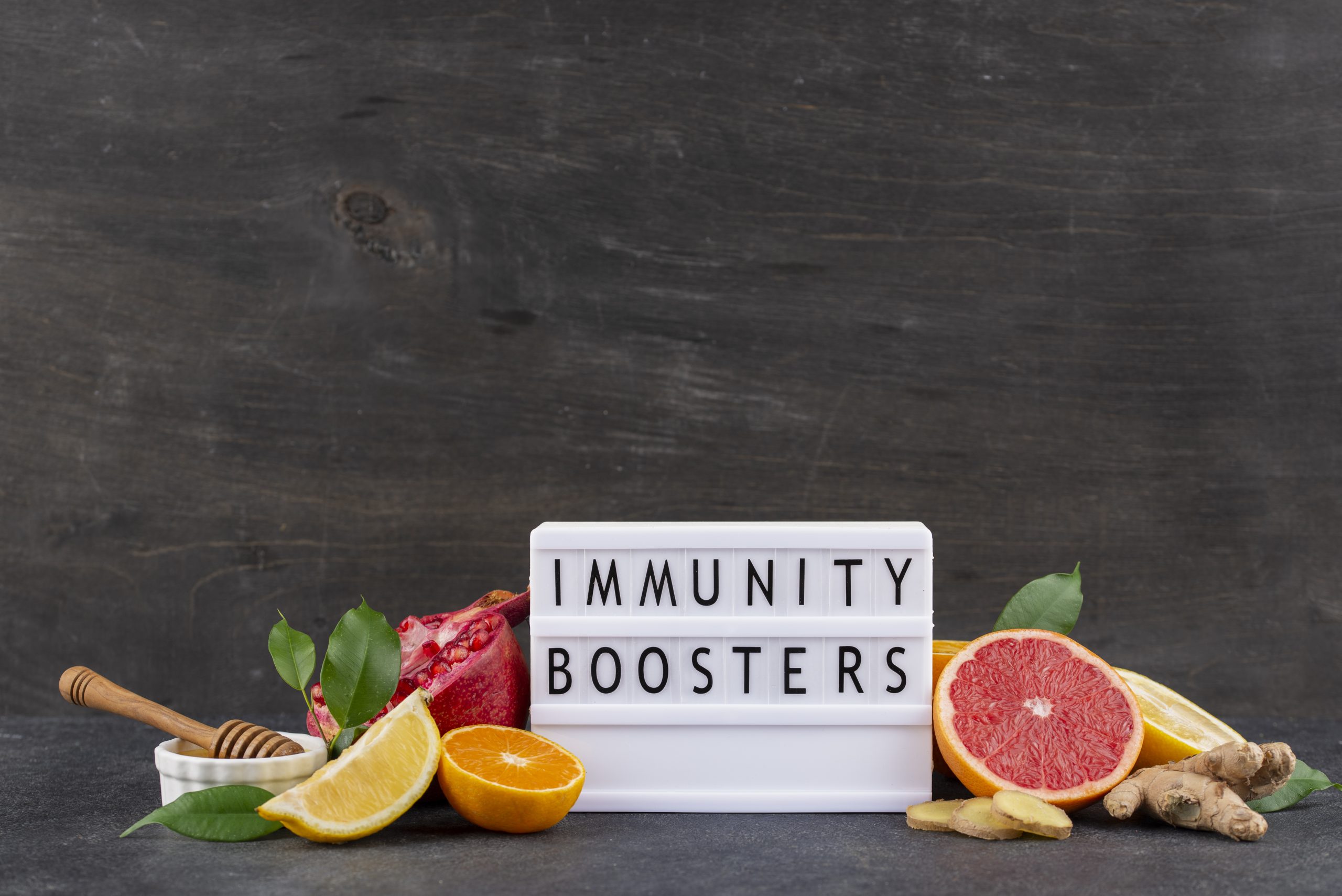
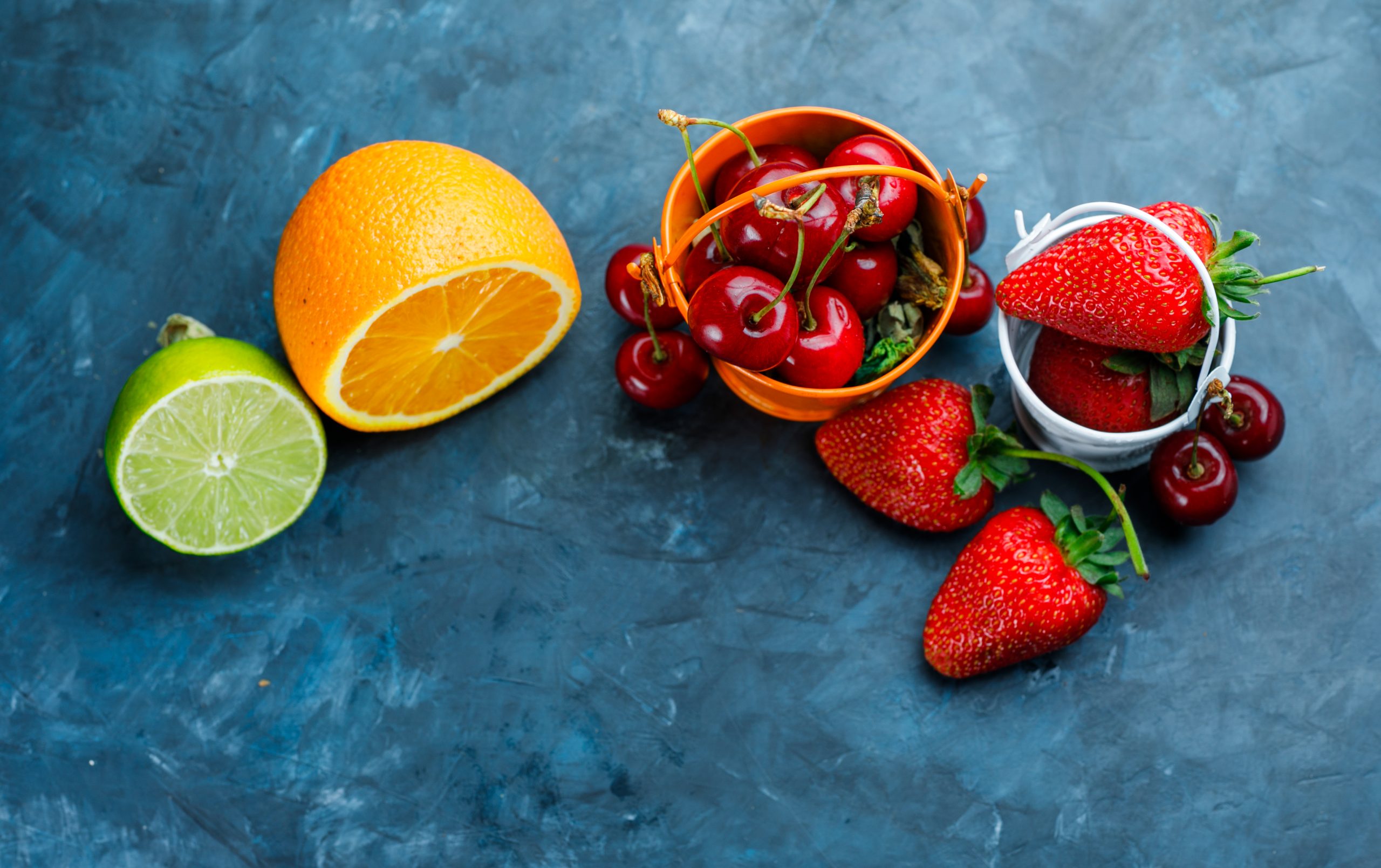
When people talk about foods that support the immune system, citrus fruits are usually the first thing mentioned—and that’s no accident. Oranges, lemons, grapefruits, and limes are packed with vitamin C, which plays an important role in helping your body produce white blood cells. These cells are key players when it comes to fighting off infections.
But don’t stop at citrus. Berries deserve just as much attention. Strawberries, blueberries, raspberries—they’re not only delicious but also rich in vitamin C and antioxidants. These nutrients help protect your cells and keep your immune system functioning at its best.
Adding a handful of berries to your breakfast or squeezing fresh lemon into your water might seem simple, but those little habits can add up over time. Sometimes, supporting your health really is as easy as what you put on your plate.
4. Leafy Greens and Colorful Veggies
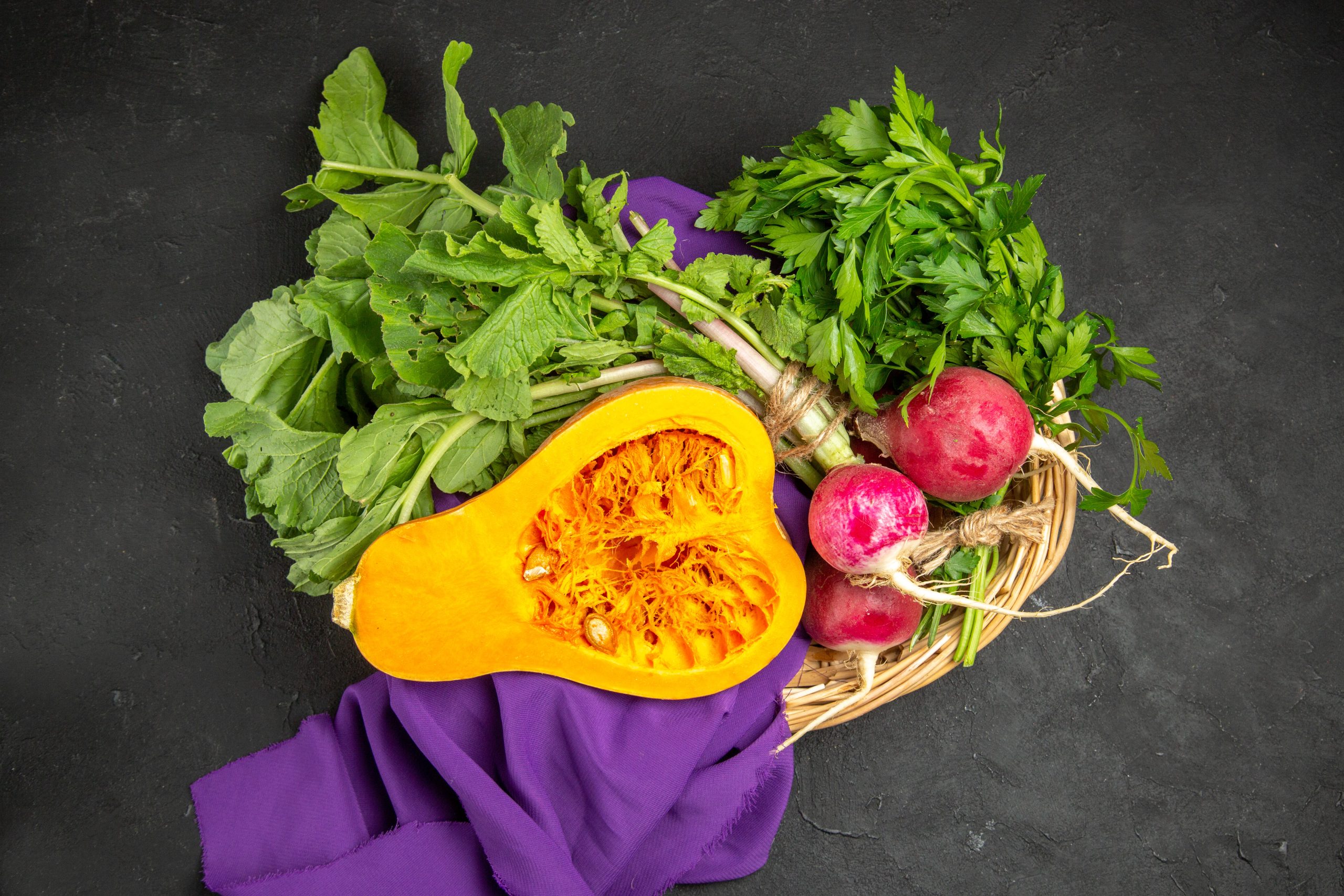
You’ve probably heard it a thousand times growing up—“Eat your vegetables.” As it turns out, that advice was spot on. Leafy greens like spinach, kale, and other dark greens are loaded with nutrients your body truly needs. They’re filled with vitamins A, C, and E, plus antioxidants and beta-carotene that help support your immune system and overall health.
It’s also a good idea to make your plate as colorful as possible. Bright veggies usually mean a wider range of nutrients. Take red bell peppers, for example—they’re surprisingly rich in vitamin C, even more than many citrus fruits. Carrots are another simple addition that packs a punch. They contain plenty of beta-carotene, which your body turns into vitamin A, an important nutrient that helps your immune system function properly.
The bottom line? The more variety and color you add to your meals, the more support you’re giving your body.
6. Garlic, Ginger, and Turmeric
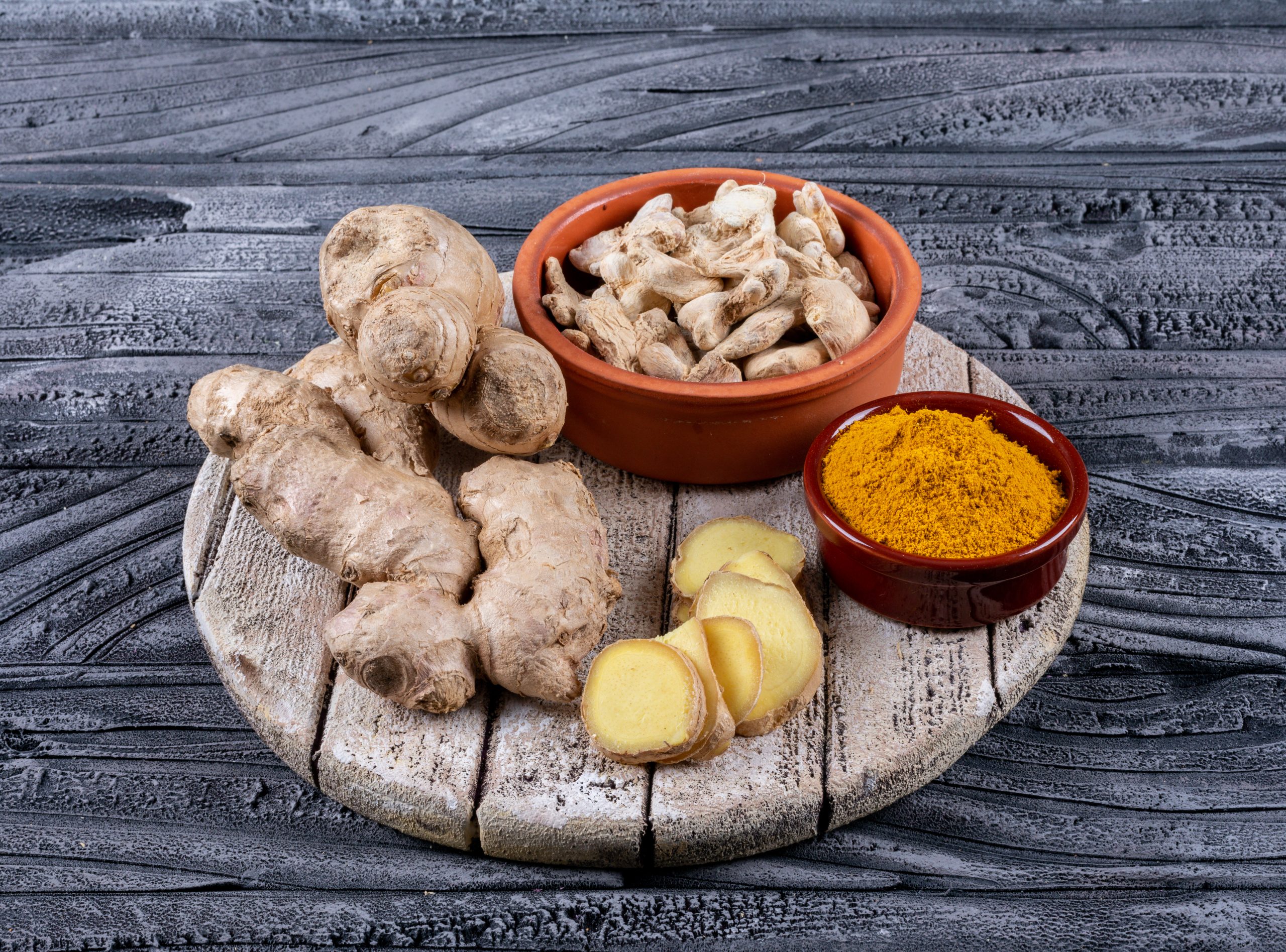
These everyday kitchen ingredients do more than make your food taste better. For generations, garlic, ginger, and turmeric have been used in traditional remedies for a reason.
Garlic contains natural compounds that may help your immune cells respond more effectively when your body needs protection. Ginger is often used to help calm inflammation and soothe the body, especially during colder months. Turmeric, known for its vibrant golden color, is widely recognized for its anti-inflammatory and antioxidant benefits.
You don’t need large amounts—just adding them regularly to soups, stir-fries, or teas can gently support your overall health.
7. Yogurt and Fermented Foods
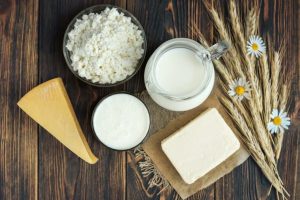
A strong immune system starts in the gut. Many people don’t realize how closely digestion and immunity are connected. When your gut is balanced and healthy, your body is better equipped to defend itself.
Foods like yogurt with live cultures, along with fermented options such as kimchi and sauerkraut, contain probiotics. These are beneficial bacteria that help maintain a healthy gut environment. When your gut microbiome stays balanced, your immune system can perform at its best.
Including these foods in your routine is a simple step that can make a meaningful difference over time.
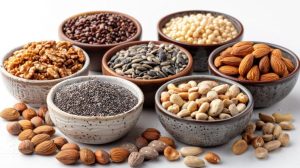
8. Nuts, Seeds, and Healthy Fats
Small foods can carry big benefits. Nuts and seeds—like almonds, sunflower seeds, chia seeds, and walnuts—are packed with nutrients such as vitamin E, zinc, and selenium. These vitamins and minerals play an important role in keeping your immune system strong and responsive.
Healthy fats matter too. Olive oil and fatty fish like salmon provide omega-3 fatty acids, which can help manage inflammation and support immune cell activity. Adding these fats to your meals doesn’t just enhance flavor—it supports your body from the inside out.
When you put it all together, building a strong immune system isn’t about one special food. It’s about consistently choosing whole, nourishing ingredients that work together to keep you feeling your best every day.
Building a strong immune system isn’t about finding some exotic “miracle” food or adding a trendy supplement to your smoothie. If it were that easy, staying healthy would be effortless. In reality, it’s much simpler—and much more reliable. True health is built in small, consistent steps, day after day.
That support comes from your plate. When you eat colorful fruits, fresh vegetables, quality proteins, and healthy fats, you’re giving your body the nutrients it depends on. Those bright greens, reds, and yellows aren’t just nice to look at—they represent vitamins, minerals, and antioxidants working behind the scenes.
A balanced meal isn’t about dieting or being perfect. It’s about caring for yourself in a steady, realistic way. So next time you’re grocery shopping, remember—you’re not just buying food. You’re choosing energy, strength, and resilience for the days ahead.
Frequently Asked Questions
1.Can food really improve my immune system?
Yes, absolutely. While food can’t prevent all illnesses, a nutrient-rich diet helps your immune system function more efficiently and recover faster.
2.How long does it take to see immune benefits from diet changes?
Small changes can start helping within weeks, but consistent healthy eating over months brings the strongest results.
3.Are supplements better than food for immunity?
Whole foods are usually better because they provide nutrients in forms your body absorbs more easily, along with fiber and antioxidants.
4.How often should I eat immune-boosting foods?
Daily is best. Aim to include at least one immune-supporting food in every meal.
5.Can children and older adults benefit from these foods too?
Yes. These foods support immune health for all ages and can be easily adjusted for different dietary needs.