
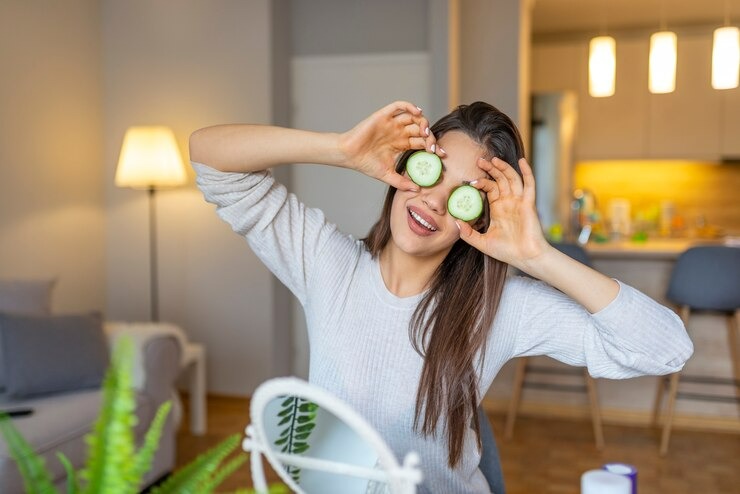
When we talk about wanting a glowing life, we’re not just talking about smooth skin or fantastic hair. We’re talking about feeling energetic when you wake up, confident when you look in the mirror, and calm enough to actually enjoy your day. The glow comes from a combination of health, beauty, mindset, and daily habits. Imagine we’re friends discussing what actually works-not unrealistic routines or expensive promises.
Here are 10 super detailed health and beauty tips to help you get that glowing life, explained simply, naturally, and totally realistically.
1. Hydration: Where the Glow Begins
Ever notice how your skin looks a little tired or feels tight by the end of the day? That’s often a sign it needs hydration.
Drinking enough water sounds simple—almost too simple—but it truly makes a difference. Aim for around 8 to 10 glasses a day. When your body is hydrated, your skin cells stay plump, your elasticity improves, and your complexion looks more alive. Imagine forgetting to water a houseplant for a week. The leaves droop, the color fades, and everything looks stressed. Now imagine giving it consistent care. It perks up. That’s exactly what happens with your skin.
And hydration doesn’t stop at your water bottle. A good moisturizer helps seal in that moisture and supports your skin barrier. Think of it as locking the door after bringing warmth into the house—it keeps the good stuff from escaping.

2. Cleanse Smart, Not Rough
Washing your face is basic skincare—but doing too much can backfire. Scrubbing hard or cleansing five times a day won’t give you better skin. In fact, it usually does the opposite.
Twice a day is enough. Once in the morning to refresh your skin, and once at night to remove everything the day piled on.
The key? Use something that actually suits your skin.
If your skin gets oily by noon, a mild foaming cleanser can help balance things out.
If your skin often feels tight or flaky, go for something creamy and hydrating.
And if your skin reacts to everything, stick with fragrance-free and gentle formulas.
Nighttime cleansing is especially important. Throughout the day, your skin collects dirt, sweat, oil, and pollution—even if you don’t wear makeup. Going to bed without washing your face is kind of like crawling into bed in clothes you’ve worn all day. Not the best feeling, right?
Keep your routine simple and gentle. Your skin doesn’t need to be “squeaky clean.” It needs to be balanced.
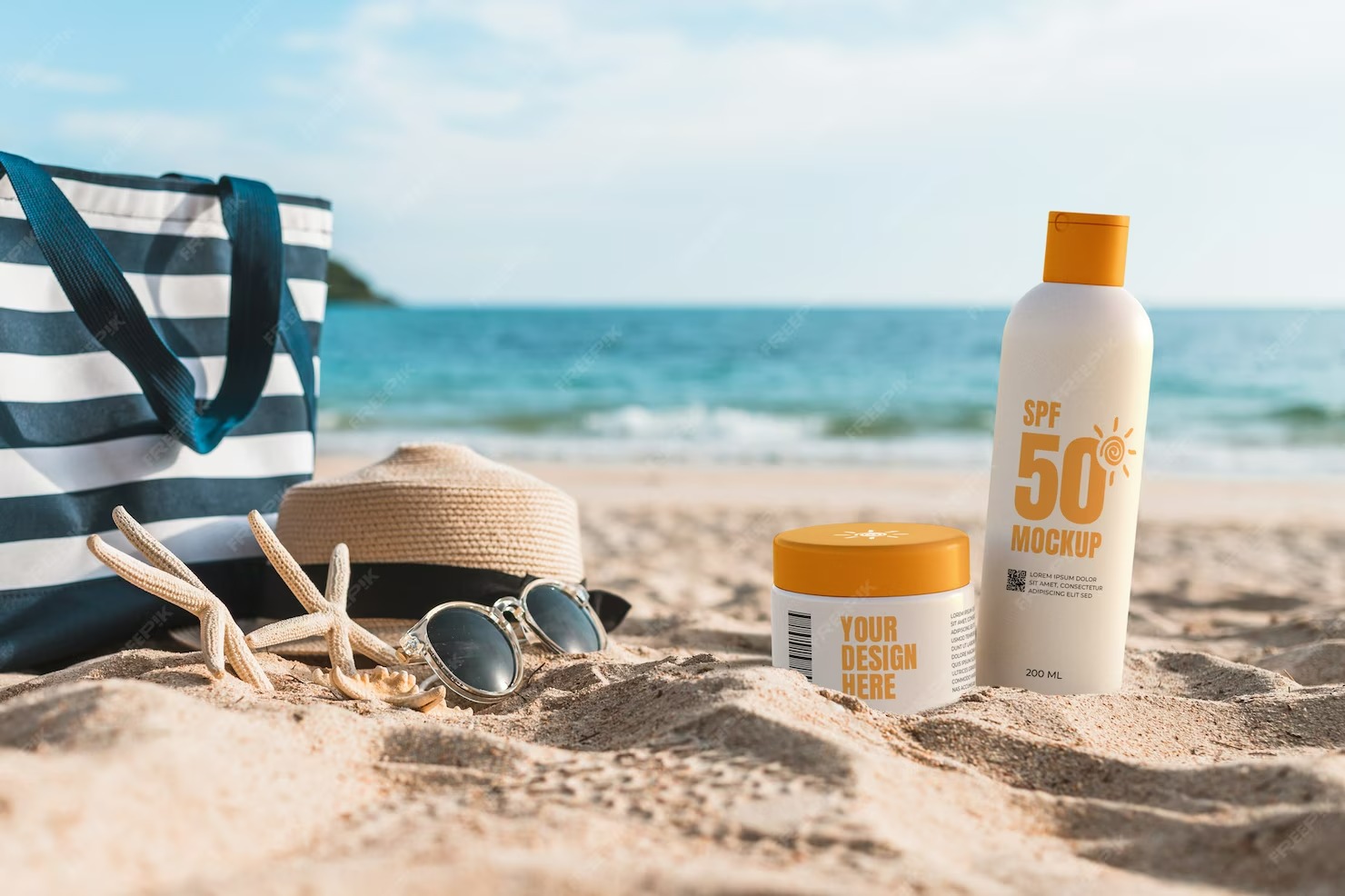
3. Don’t Skip Sunscreen (Even When the Sun Hides)
If there’s one habit that truly protects your skin long term, it’s sunscreen.
Cloudy day? Still needed.
Quick trip outside? Still needed.
Sitting near a window? Still needed.
UV rays are sneaky. They don’t announce themselves, but they slowly cause dark spots, fine lines, and long-term damage over time. A broad-spectrum sunscreen with SPF 30 or higher is a solid everyday choice.
Think of sunscreen like an invisible umbrella. You may not feel the sun burning you, but protection now saves you from regret later.
It’s one of those small daily steps your future self will seriously appreciate.
4. Nourish Your Skin From the Inside Out
Here’s something many people forget: skincare doesn’t stop at the bathroom mirror. It continues at your dining table.
You can layer on expensive creams all you want, but if your diet is full of processed food and low in nutrients, your skin will show it.
Try adding more:
- Vitamin C-rich fruits like oranges and strawberries
- Leafy greens
- Omega-3 sources like salmon or walnuts
- Nuts and seeds
- Bright, colorful vegetables
These foods are packed with antioxidants, which help protect your skin from everyday damage. It’s like building a defense system from the inside.
So next time you reach for a snack, pause for a second. Are you feeding your natural glow—or quietly working against it?
5. Get Your Beauty Sleep (Yes, It Actually Matters)
Have you ever looked in the mirror after a bad night’s sleep and immediately noticed the difference? Dull skin, dark circles, that “off” look you can’t quite explain. That’s not your imagination.
While you’re sleeping, your skin gets to work. It repairs tiny daily damage, rebuilds collagen, and refreshes itself at a cellular level. It’s basically running a quiet night shift while you rest.
Try to get around 7–8 hours of solid sleep each night. Not just scrolling-in-bed sleep—but real, uninterrupted rest.
And here’s the thing: no serum or cream can fully make up for chronic sleep deprivation. Good sleep is like a reset button for your face.
Before you turn in, wash your face and apply a simple moisturizer. Then let your skin do what it’s designed to do—recover while you recharge.
6. Manage Stress Before It Shows on Your Face
Stress doesn’t just live in your mind. It shows up on your skin too. Breakouts, redness, irritation, sudden dullness—it’s all connected.
When you’re stressed, your body releases cortisol. And your skin? It reacts.
You don’t need a complicated solution. Start small. Go for a walk. Stretch. Listen to music you love. Call a friend. Move your body a few times a week, even if it’s just 20–30 minutes. That boost in circulation alone can give your skin a healthier look.
Think of stress like fog. The longer it hangs around, the harder it is to see clearly. Clear your mind, and your skin often follows.

7. Exfoliate—Gently, Not Aggressively
Over time, dead skin cells build up. When that happens, your skin can look rough, uneven, or tired.
Exfoliating once or twice a week helps sweep away that buildup and reveal fresher skin underneath. But here’s where many people go wrong—they scrub like they’re cleaning a kitchen counter.
Your skin isn’t a surface to polish. It’s living tissue.
If your face feels tight, sore, or extra sensitive after exfoliating, that’s your cue to ease up. Gentle products and a light touch go a long way. Sometimes less really is more.
8. Watch the Habits That Quietly Age You
Let’s talk honestly. Smoking and heavy drinking don’t just affect your health—they show up on your skin.
Smoking limits blood flow, which means your skin doesn’t get the oxygen and nutrients it needs. Over time, that leads to dullness and premature aging. Alcohol pulls moisture from your skin, leaving it dehydrated and less elastic.
If glowing, healthy skin is the goal, cutting back on these habits makes a noticeable difference. It’s not about being perfect—it’s about being mindful.
Your future reflection will thank you.

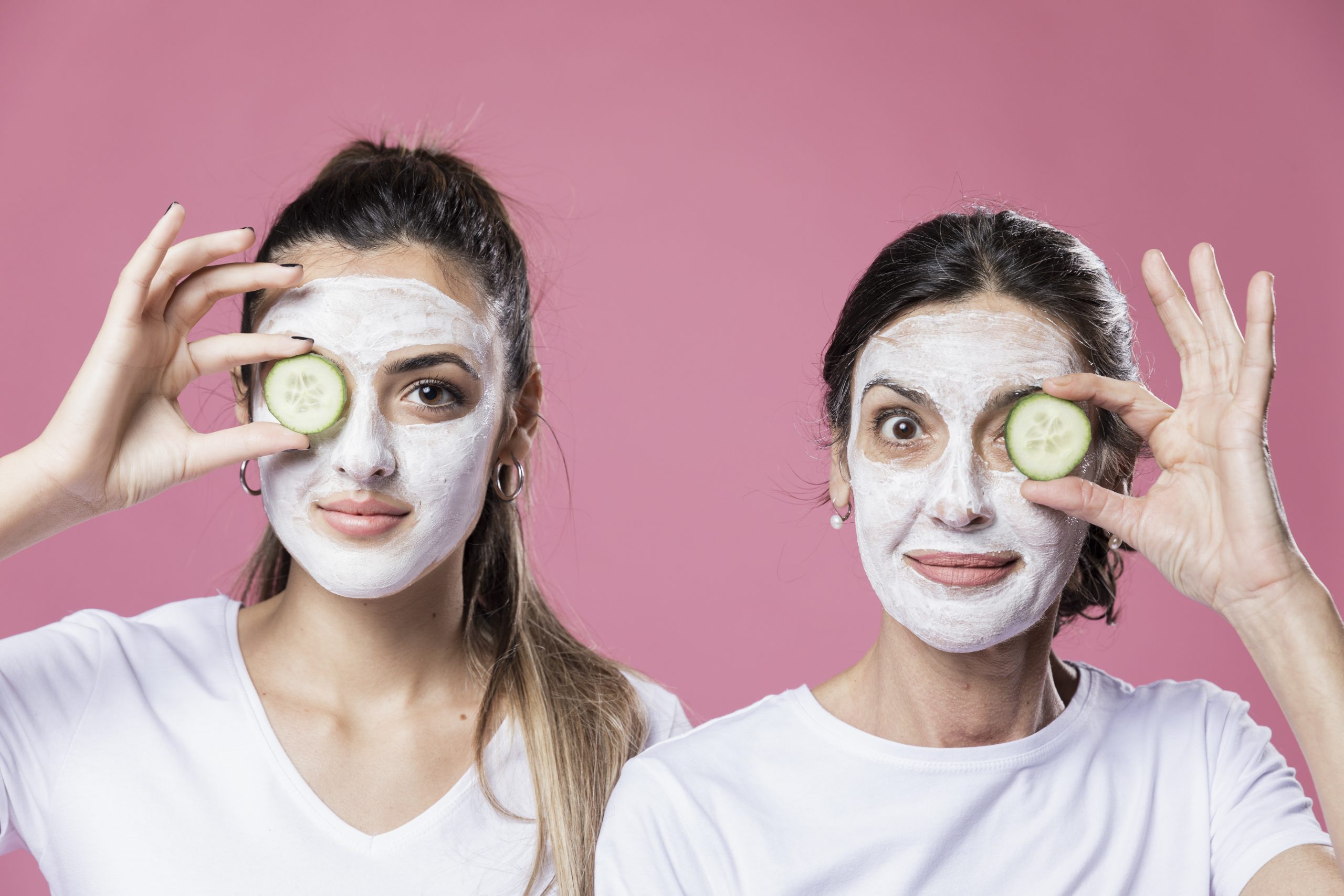
9. Try Natural Face Masks Now and Then
You don’t always need fancy packaging or luxury price tags. Sometimes the simplest ingredients work beautifully.
Honey can soothe and hydrate. Yogurt can gently brighten. Oats calm irritated skin. Avocado adds nourishment.
Using a natural face mask once a week can give your skin a little extra love. It’s affordable, easy, and surprisingly effective.
Sometimes skincare feels better when it’s simple.
10. Stay Consistent—That’s the Real Secret
Here’s something most people overlook: consistency matters more than complexity.
You don’t need a 12-step routine. You don’t need every trending product. What you need is something you can realistically stick to.
Cleanse. Moisturize. Protect. Eat well. Sleep enough. Repeat.
Healthy skin isn’t built in a weekend. It’s shaped by daily habits that add up over time.
Maintaining beautiful and healthy skin isn’t about chasing flawlessness. It’s about balance. It’s about the small choices you make every single day—drinking enough water, wearing sunscreen, eating nourishing food, getting proper rest, and managing stress.
Think of your skin as a lifelong partner. It protects you, represents you, and works for you every day. When you treat it with patience and steady care, it responds with a natural glow that no filter can truly match.
Healthy skin isn’t magic. It’s maintenance—and it’s completely within your control.
FAQs About Maintaining Beautiful and Healthy Skin
1. How long does it take to see improvements in skin health?
Most people notice small improvements within 2–4 weeks of consistent care. Major changes, like improved texture and reduced pigmentation, can take 6–8 weeks or more.
2. Do I really need sunscreen indoors?
If you sit near windows or use screens for long hours, yes. UV rays can penetrate glass, and consistent protection prevents long-term damage.
3. How often should I exfoliate my skin?
Once or twice a week is usually enough. Over-exfoliating can damage your skin barrier and cause irritation.
4. Can diet really affect my skin that much?
Absolutely. Nutrient-rich foods reduce inflammation and support collagen production, directly impacting how your skin looks and feels.
5. What is the most important skincare step?
If you had to choose one, sunscreen. Daily sun protection prevents premature aging, pigmentation, and long-term skin damage.